Study Links Genetically Predicted Triglyceride Levels to Endometriosis Risk
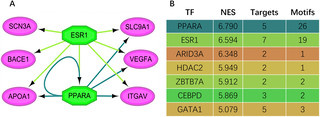
A recent study published in PLOS One examined the genetic relationship between triglyceride (TG) levels and the risk of endometriosis (EM), a condition that affects approximately 190 million women globally. The research utilized genome-wide association study (GWAS) data and employed a two-sample Mendelian randomization (MR) analysis to estimate the association between genetically predicted TG levels and EM risk. The findings indicated an odds ratio (OR) of 1.1853 (95% CI: 1.070–1.313, p = 0.0011), suggesting that higher TG levels may be causally linked to an increased risk of developing endometriosis. The study identified seven TG-lowering drug target genes, including SLC9A1, SCN3A, VEGFA, APOA1, TNF, ITGAV, and BACE1, which were found to be significantly upregulated in EM patients compared to healthy controls. Additionally, pathway enrichment analysis revealed that these genes are involved in lipid transport, localization, cell adhesion, and blood vessel development. Notably, PPARA was predicted to act as a transcription factor for five of these genes, while estrogen receptor 1 (ESR1) was predicted to regulate the majority of the others. The study also highlighted that among the TG inhibitors examined, fibrate-related targets showed broader target coverage in the genetic analyses. These results suggest that TG-related pathways and lipid-lowering drug targets, particularly those related to fibrates, may play a significant role in the biology of endometriosis and warrant further experimental and clinical validation. Endometriosis is characterized by the presence of endometrial-like tissue outside the uterus, leading to symptoms such as pelvic pain, infertility, and significant impacts on quality of life. The chronic nature of EM necessitates effective long-term management strategies, and the exploration of existing medications, particularly those targeting TG levels, could provide new avenues for treatment. Given the substantial burden of endometriosis on affected individuals, further research into the genetic underpinnings of this condition and the potential for existing lipid-lowering therapies to alleviate symptoms is crucial. Overall, this study contributes to the growing body of evidence linking metabolic factors with reproductive health and emphasizes the need for innovative approaches to managing endometriosis.