Nattokinase: Exploring the Health Benefits of This Fermented Enzyme
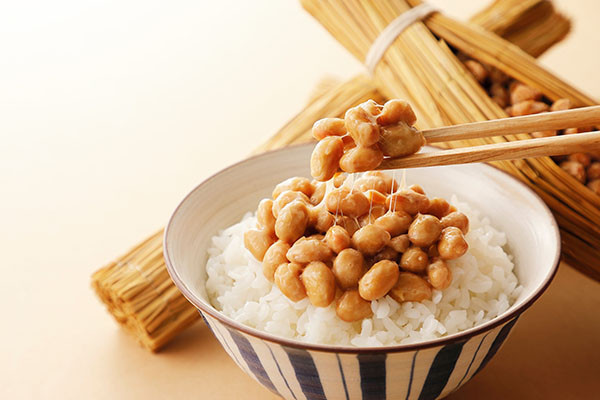
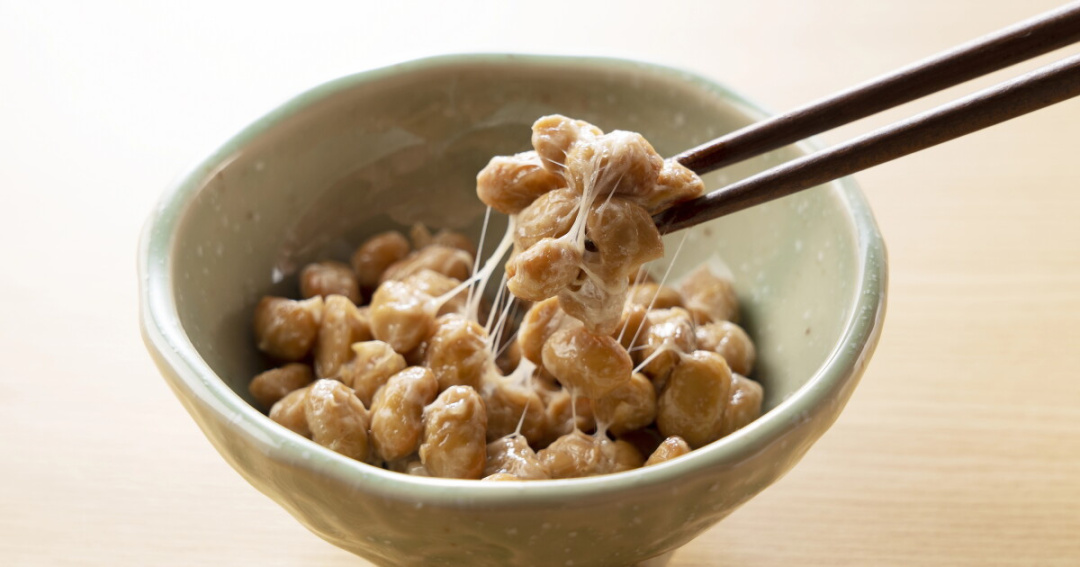
Nattokinase, a powerful enzyme extracted from natto, a traditional Japanese fermented soybean dish, has recently garnered significant interest among health enthusiasts. This enzyme, known for its potential health benefits, is now available in supplement form, allowing individuals to access its properties without having to acquire a taste for natto's distinctive aroma. Natto, pronounced with a short 'A' and stress on the first syllable, is made by boiling soybeans and fermenting them in a hot, humid environment for approximately 24 hours. The result is a unique culinary staple with a pungent scent that some liken to strong cheeses like Epoisses or Taleggio. For many, natto is an acquired taste, often enjoyed with rice, vegetables, or condiments such as soy sauce and kimchi. The enzyme nattokinase is produced during the fermentation process of soybeans and is the active ingredient that contributes to natto's health benefits. Since its discovery in 1981, nattokinase has become more accessible to the public, leading to increased interest in its potential health effects. Registered dietitians highlight that individuals can obtain nattokinase by consuming natto or through supplements. In Japanese culture, natto is associated with various health benefits, and research published in the American Journal of Clinical Nutrition supports these claims, indicating that regular consumption of natto may promote optimal health. The Japanese diet, known for its emphasis on nutrient-dense foods like seaweed and fish, is linked to healthy aging and longevity. Nattokinase is particularly rich in vitamin K2, specifically menaquinone-7 (MK-7), which is crucial for maintaining health. Additionally, as a fermented product, natto provides beneficial bacteria that support gut health and is a good source of dietary fiber, which aids in satiety. For those open to culinary exploration, incorporating nattokinase can begin with traditional natto dishes, where it can be mixed into rice or vegetable meals. However, for those who find the taste challenging, supplements present a convenient alternative. The European Union recommends a daily intake of 2,000 fibrin units (FU) of nattokinase, roughly equivalent to 100 milligrams. Ongoing research seeks to determine the optimal dosage for achieving therapeutic benefits. While experts have not identified any toxicity concerns associated with nattokinase, most studies have focused on short-term use, indicating a need for further research on long-term safety and dosing guidelines. Due to its effects on the cardiovascular system, individuals taking anticoagulants such as Warfarin or aspirin should avoid nattokinase. When selecting supplements, consumers are advised to choose reputable brands that provide evidence of enzyme activity to ensure they receive the expected benefits. With its historical roots and modern scientific validation, nattokinase serves as a bridge between traditional dietary practices and contemporary nutritional science, offering a pathway to enhanced wellness whether consumed in its natural form or as a supplement.