Survey Reveals High Rates of Health Self-Monitoring Among UK Adults
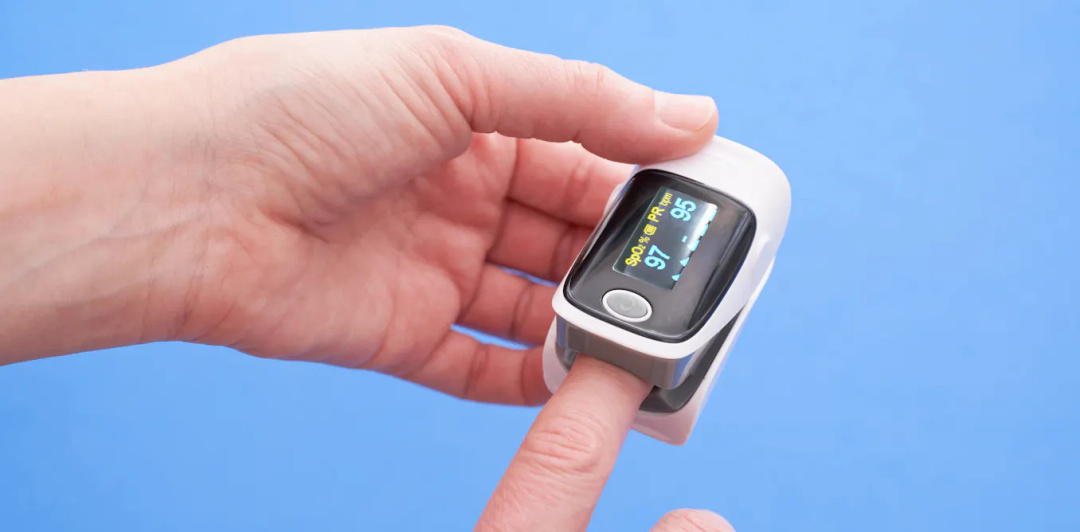
A new survey conducted among over 4,000 UK adults reveals that 79% of respondents are already tracking at least one aspect of their health or wellbeing, with 86% indicating they would be willing to do so if recommended by the NHS. This trend reflects a growing shift in healthcare towards home-based monitoring, facilitated by digital tools such as smartwatches and health apps. The NHS aims to empower individuals to manage long-term conditions at home, moving from traditional hospital visits to preventative care.
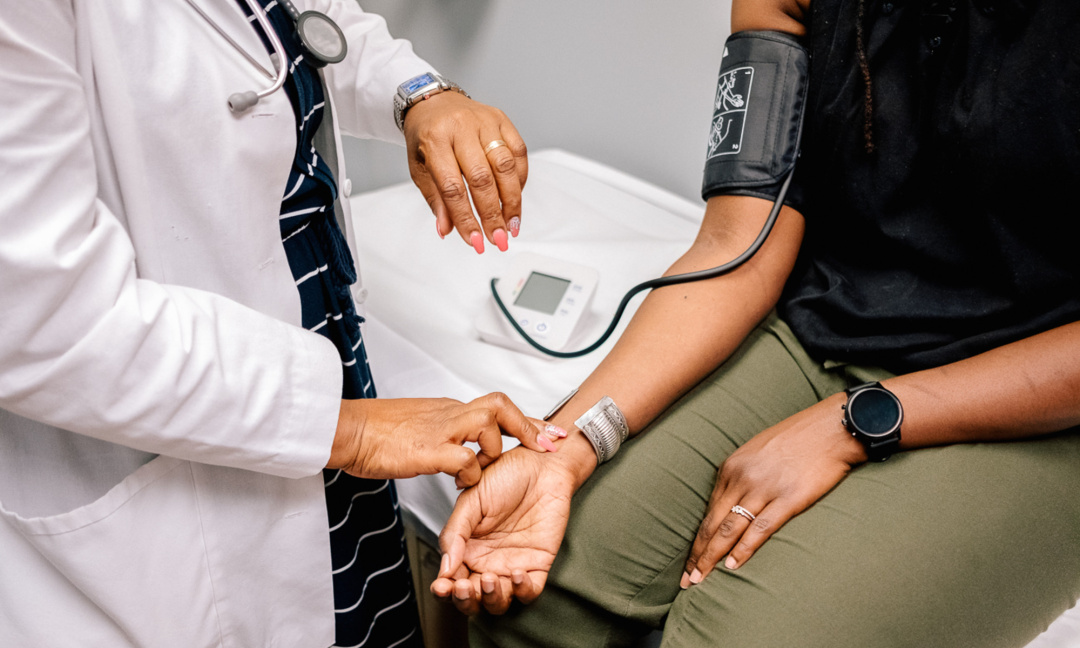
Blood pressure emerged as the most commonly monitored health measure, followed by fitness and exercise. Many participants expressed trust in the results from these self-monitoring tools, with over 76% willing to share their findings with their general practitioners. The convenience of self-monitoring allows individuals to identify changes in their health and adopt healthier habits, particularly when supported by healthcare professionals.
However, the survey also highlighted concerns about anxiety related to self-monitoring. Some respondents feared that excessive tracking might lead to undue stress over minor fluctuations in health metrics. Additionally, there are worries about the reliability of certain health gadgets and the challenges in interpreting results without professional guidance. Previous research suggests that self-monitoring is most effective when combined with education and tailored feedback.
Interestingly, while many individuals reported identifying health issues through self-monitoring, a significant portion—between 14% and 38%—did not take any action after discovering a problem. This indicates that monitoring alone is insufficient; clear guidance on when to seek medical advice is essential for effective health management.
The survey also uncovered disparities in willingness to self-monitor, particularly among men, older adults, and those from lower socioeconomic backgrounds. This raises concerns about health inequalities, as access to technology and digital literacy can significantly influence one's ability to engage in self-monitoring. Although many health devices are becoming more affordable, a third of respondents expressed reluctance to pay for monitoring equipment or apps.
As self-monitoring becomes more prevalent, it is crucial to ensure that all individuals, regardless of their background, have the support and resources needed to benefit from these technologies. The potential for home-based health monitoring to enhance care and encourage healthier lifestyles is significant, but it must be accompanied by efforts to address access and education to avoid widening existing health disparities.