Study Links Polyethylene Microplastics to Increased Risk of Liver Disease in Mice

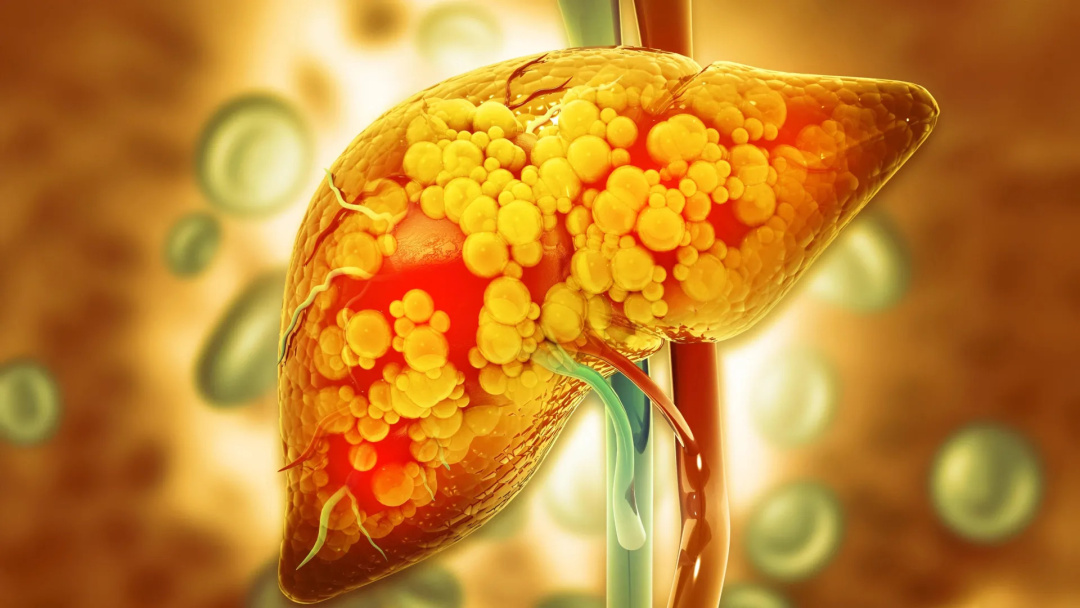
Microplastics, defined as tiny plastic particles smaller than 5 millimeters, have raised health concerns due to their ability to enter the human body through food and drink. A new study published in Science Advances has found that polyethylene, the most widely produced plastic globally, may negatively impact liver health by increasing the risk of metabolic dysfunction-associated steatotic liver disease (MASLD) or exacerbating existing conditions. However, it is crucial to note that this study was conducted on mice, and thus, it does not directly establish a causal relationship between polyethylene exposure and liver disease in humans.
The study's lead author, Dr. Adi Joshi, explained that polyethylene is prevalent in food packaging, including items like freezer bags, plastic wraps, and various disposable containers. Despite its widespread use, the effects of polyethylene on health have not been thoroughly studied. To investigate this, researchers fed mice a control diet or a high-fat, fructose, and cholesterol diet designed to induce metabolic dysfunction-associated steatohepatitis (MASH). Over eight weeks, the mice were administered polyethylene daily, and various analyses were conducted to assess the impact on liver function.
Results indicated that both groups of mice experienced liver issues related to polyethylene exposure. Notably, changes were observed in the peroxisome proliferator-activated receptor alpha (PPARα), a nuclear receptor that plays a critical role in regulating liver metabolism and tissue recovery. Alterations in this gene could potentially disrupt normal liver function.
While the study highlights polyethylene as a possible risk factor for liver disease, the authors caution against assuming similar effects in humans. Dr. Opel Baker, a general practitioner not involved in the study, emphasized the need for further human research to confirm whether microplastics contribute to fatty liver disease. He noted that individuals consuming a Western-style diet, rich in processed foods, might be at an increased risk if exposed to polyethylene.
The authors suggest that limiting exposure to foods associated with liver health risks could be beneficial, although further studies are necessary to clarify the role of microplastics in liver disease progression. Dr. Joshi mentioned that future research should explore whether polyethylene contributes to advanced liver disease stages, such as fibrosis, and investigate the molecular mechanisms involved in the body's response to microplastic exposure.
Despite the study's implications, Dr. Baker reassured individuals that it is impossible to eliminate microplastic exposure entirely and advised focusing on practical measures to mitigate risks. He stressed that there is no need for specific detoxification methods to remove microplastics from the body. Instead, maintaining a healthy weight, consuming a balanced diet, exercising regularly, managing diabetes, and limiting alcohol intake remain the best strategies for protecting liver health. As research continues, understanding the potential impact of microplastics on human health will be essential.