Trial Shows Potential of Fecal Transplants for Treating Peanut Allergies
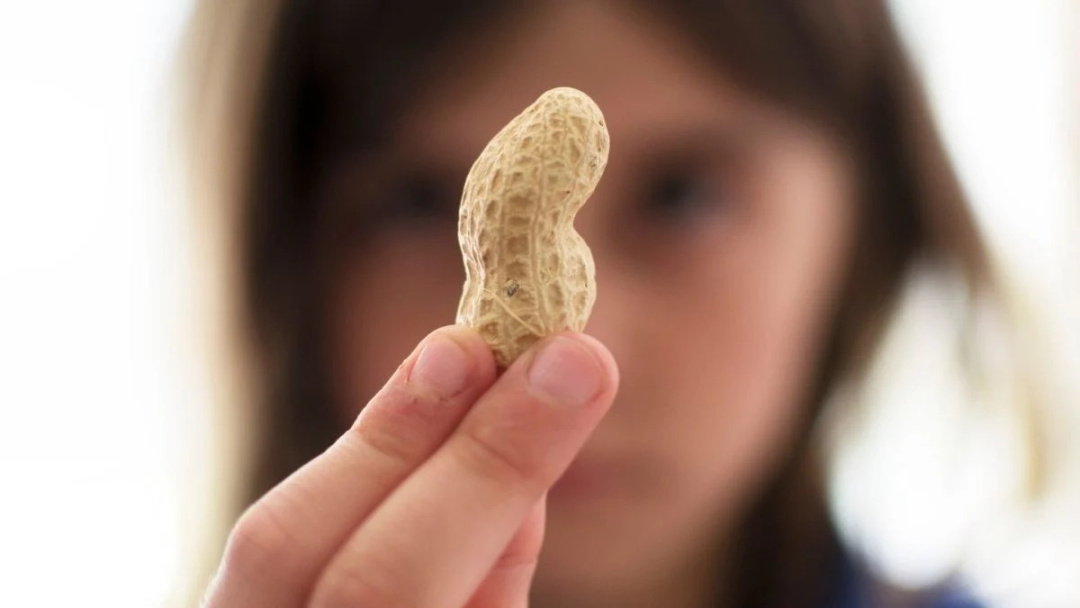
Food allergies can pose serious health risks, making everyday situations daunting for those affected. In an effort to find effective treatments, researchers have turned to fecal microbiota transplants (FMT) as a potential solution for peanut allergies. A recent phase 1 clinical trial conducted at Boston Children's Hospital involved 15 adults with severe peanut allergies, all of whom were highly sensitive to peanut protein. The trial aimed to assess the safety and efficacy of FMT in altering allergic responses.
Participants received capsules containing fecal microbiota derived from healthy donors without peanut allergies. The treatment consisted of a course of 36 pills administered over one to two days. Additionally, a subgroup of participants underwent a brief course of antibiotics prior to the transplant to modify their gut microbiome. The treatment was generally well tolerated, with minor side effects reported but no severe adverse reactions.
Of the 15 participants, six showed a positive response to the treatment, indicating a marked increase in their tolerance to peanut protein. Notably, those who received antibiotics alongside the FMT exhibited even greater improvements. For instance, three participants who did not receive antibiotics increased their tolerance to 300 milligrams of peanut protein, while those in the antibiotic group reached tolerances of up to 600 milligrams. One participant achieved a remarkable tolerance of 1,043 milligrams.
The researchers noted that these results are significant, especially when compared to traditional oral immunotherapy, which typically requires six months of daily treatment to achieve similar tolerance levels. While FMT does not guarantee that individuals will be allergy-free, the responses observed in this study suggest a potential for long-lasting benefits, lasting at least four months after treatment.
To further understand the mechanisms behind these changes, researchers conducted experiments with mice, transplanting gut bacteria from the human participants. Mice that received bacteria from those who responded positively to FMT were less likely to develop food allergies and showed some protection against anaphylaxis. This suggests that certain bacterial strains may play a role in modulating immune responses to allergens.
Despite these promising findings, the researchers caution that larger, randomized, placebo-controlled trials are necessary to confirm the efficacy of FMT for food allergies. The small size of the study and the absence of a placebo group limit the ability to draw definitive conclusions. Nevertheless, the results provide a foundation for future research into the potential of FMT as a treatment for food allergies, offering hope for those who suffer from these unpredictable and potentially life-threatening conditions.