Medicaid Income Limits Challenge Career Growth for Disabled Iowans
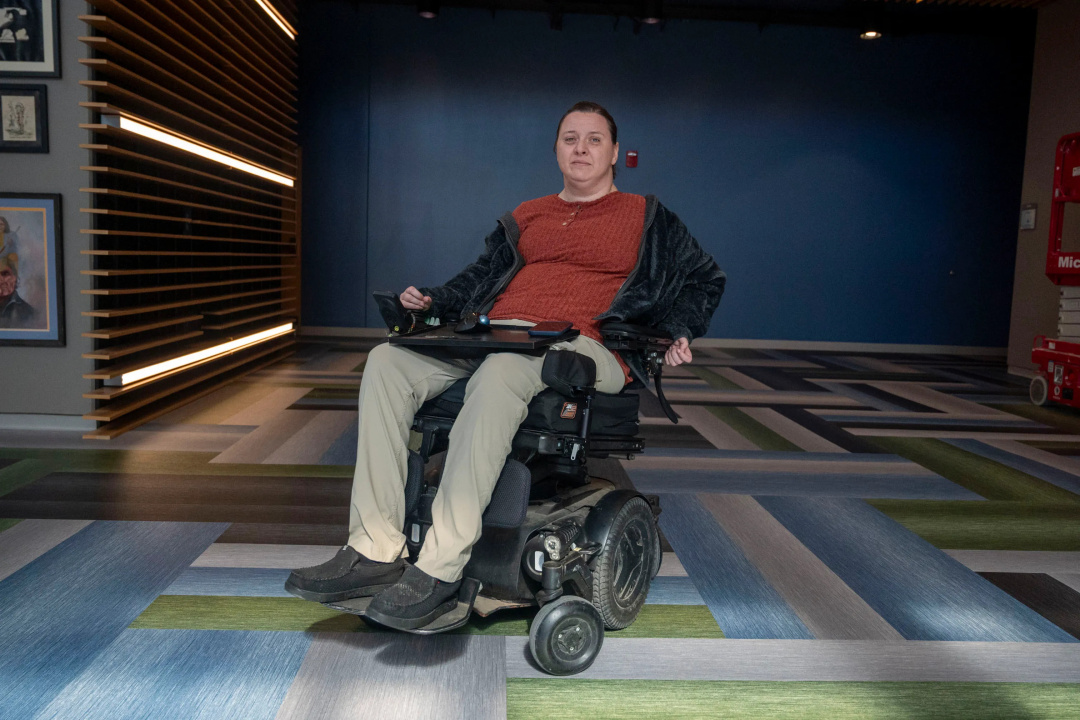
In Macy, Nebraska, Erica Carter is dedicated to her role as a finance manager, where she manages grants that support students in the Omaha Nation school district. Her work has led to the establishment of a garden adjacent to the school, providing students with their first paycheck as they learn to maintain it. However, Carter, who has been paralyzed from the chest down since a fall in her early twenties, recently received a letter from Iowa's Department of Health and Human Services indicating that her income exceeded the threshold for Medicaid eligibility, putting her benefits at risk.
As of November 2023, Carter was earning $110,000 annually, significantly above Iowa's income limit of $36,450 for individuals with disabilities. The new federal requirement mandates that many Medicaid recipients demonstrate they are working, volunteering, or studying at least 80 hours per month. This has sparked frustration among disabled individuals who argue that such policies often force them to choose between maintaining their benefits and pursuing career advancement.
Carter's situation is not unique. The Medicaid for Employed People With Disabilities program, which allows working disabled individuals to pay a portion of their income to retain Medicaid coverage, is available in 47 states. However, many states impose strict income and asset limits that can discourage individuals from seeking higher-paying jobs or saving money. Advocates for disability rights argue that these restrictions inhibit the ability of individuals like Carter to achieve financial independence and stability.
Carter had to make a difficult decision: either find a job that paid significantly less or drop her Medicaid coverage and rely on her school district's health plan, which does not cover many of her disability-related expenses. Ultimately, she chose to keep her job, leaving the Medicaid buy-in program, but this has resulted in substantial out-of-pocket costs, including approximately $35,000 annually for necessary medical expenses.
The Medicaid buy-in program was created by Congress in the 1990s to encourage individuals with disabilities to work. However, the income caps have not kept pace with inflation or the rising costs of living. As of 2023, Iowa's limit is set at 250% of the federal poverty level, which translates to $39,900 for a single individual. Additionally, the asset limit is capped at $12,000 for individuals, excluding certain assets like a primary home or vehicle.
Advocates, including Carlyn Crowe from the Iowa Developmental Disabilities Council, argue that these limits prevent disabled individuals from achieving their goals, such as homeownership and financial stability. They have urged state legislators to eliminate these hard limits and instead implement a system where individuals can contribute a percentage of their income to maintain Medicaid coverage.
Recent legislative efforts in Iowa have aimed to address these concerns, with proposals to raise the income limit to 300% of the federal poverty level and exempt certain assets from the cap. However, these proposals have faced challenges in the legislative process, and advocates fear that without significant changes, disabled Iowans may continue to face barriers to career advancement.
Carter remains committed to her work and is determined to find ways to manage her medical expenses while continuing to support her students. She emphasizes the need for options that allow individuals with disabilities to thrive without the fear of losing essential benefits. As discussions around Medicaid reform continue, the experiences of individuals like Carter highlight the critical intersection of disability rights, economic opportunity, and healthcare access in Iowa and beyond.