U.S. Foreign Aid Cuts Linked to Increased Maternal and Child Deaths in Nepal
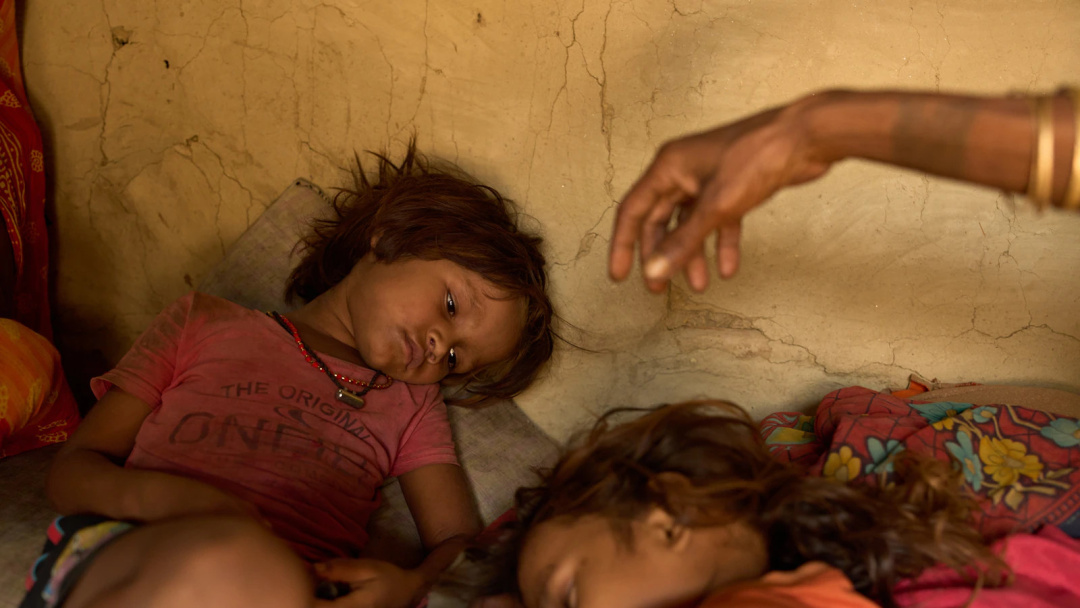
The Associated Press has reported that the decision by the United States to reduce its foreign aid funding last year has had dire consequences for maternal and child health in Nepal. In rural areas, where access to healthcare is already limited, the absence of aid workers has left many women without essential support during pregnancy. Kabita Mukhiya, a young mother from Gaur, Nepal, experienced severe complications during her pregnancy but was unaware of the emergency until it was too late. After weeks of suffering at home, she was taken to a hospital where she learned that her baby had died, and her own life was in jeopardy.
This tragic case highlights the broader implications of the U.S. government's cuts to foreign aid, which have led to a significant increase in pregnancy complications and maternal deaths. The U.S. Agency for International Development (USAID) had previously funded programs that provided critical support to pregnant women, including nutrition assistance and prenatal care. The cuts, initiated during the Trump administration, have dismantled these programs, leaving many women without access to necessary medical care.
Experts warn that the impact of these funding reductions could be catastrophic. A study published in The Lancet journal estimates that the U.S. cuts could result in over 14 million deaths globally by 2030, including more than 4.5 million children under the age of five. Health officials in Nepal have already observed a surge in maternal and child mortality rates, with organizations like CARE Nepal reporting that the number of maternal deaths during delivery has increased significantly since the aid cuts.
The loss of funding has also affected nutrition programs that were crucial for pregnant women and children. Before the cuts, packets of fortified peanut paste were provided to malnourished children, and clean birth kits were distributed to reduce the risk of infections during childbirth. However, with the cancellation of these programs, many women are now left to navigate a medical system they do not trust or understand.
In the impoverished Rautahat district, where Kabita lived, the number of women seeking prenatal care has halved since the cuts. Health workers report that complications that could have been identified and managed through regular prenatal visits are now going unnoticed, leading to emergencies that could have been prevented. The consequences of the funding cuts are evident in the stories of women like Kabita and Phula Devi, who have suffered devastating losses due to a lack of access to healthcare.
The U.S. government has maintained that its funding cuts have not directly caused any deaths, but the evidence suggests otherwise. As health programs continue to struggle with reduced resources, the future of maternal and child health in Nepal hangs in the balance. The situation underscores the critical importance of foreign aid in supporting vulnerable populations and the devastating effects that can result from its withdrawal.