Nutritional Benefits of Keeping Fruit and Vegetable Skins
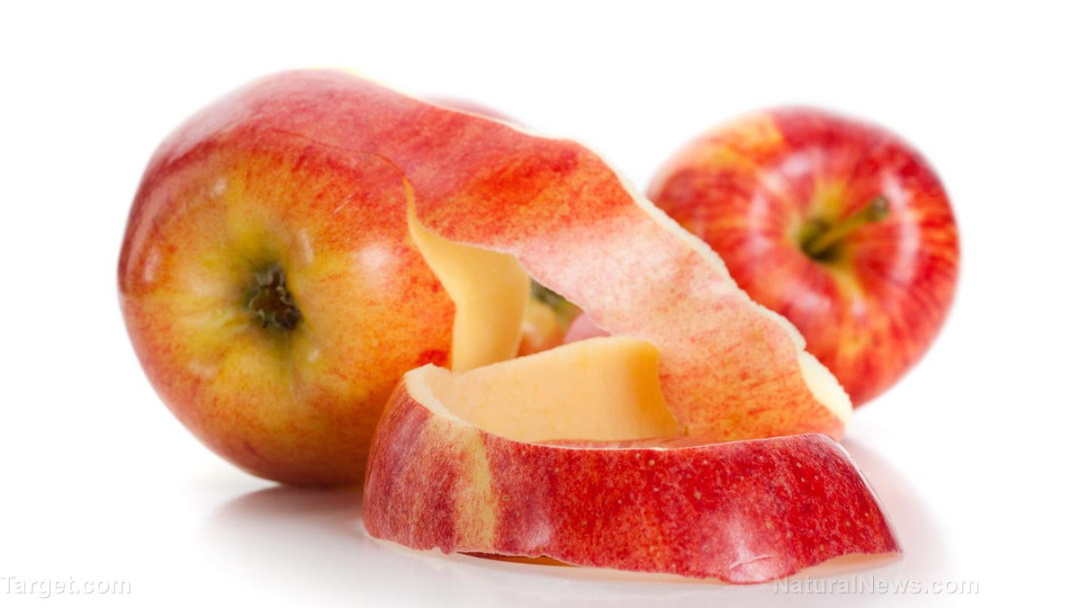
For many years, the instinctive action of peeling fruits and vegetables has led to the loss of not just a protective layer but also the most nutrient-dense parts of these plants. As of 2026, a growing body of nutritional science is challenging the common habit of peeling apples, potatoes, and kiwis. Studies reveal that the outer layers of these foods contain significantly higher concentrations of fiber, vitamins, and antioxidants than the flesh inside. This emerging understanding is prompting both health-conscious consumers and nutrition experts to rethink their food preparation methods, suggesting that a simple adjustment—keeping the peel—can yield substantial benefits for digestion, heart health, and chronic disease prevention without the need for costly supplements or complicated dietary changes.
The nutritional differences between peeled and unpeeled produce are striking. Research indicates that a raw apple with its skin has up to 332% more vitamin K, 142% more vitamin A, and 115% more vitamin C compared to its peeled version. Similarly, a baked potato with skin offers more than three times the iron and 35% more potassium than a peeled one, while also adding nearly 1.5 grams of fiber.
Perhaps the most compelling evidence lies in the antioxidant content found in peels. Studies have shown that antioxidant levels in fruit skins can be as much as 328 times higher than in the pulp. Compounds such as quercetin in apples and chlorogenic acid in peaches are known for their anti-inflammatory properties and potential to combat oxidative stress, a cellular process linked to heart disease and certain cancers. Furthermore, the fiber present in these skins is crucial; unpeeled produce can contain up to one-third more of this indigestible carbohydrate, which aids digestion, prevents constipation, regulates blood sugar levels, and lowers LDL cholesterol.
Certain fruits and vegetables are particularly beneficial when consumed with their skins. While many can be eaten raw, others, like onion skins and watermelon rind, may require some culinary creativity to be enjoyable. For instance, the skin of apples and pears contains about half of the fruit’s total fiber and a significant amount of quercetin, which supports gut health and reduces inflammation. Keeping the skin on potatoes and carrots increases the intake of iron, potassium, and beta-carotene, while the skin of kiwis and grapes can enhance fiber intake significantly.
Despite the nutritional advantages, some consumers choose to peel their produce due to concerns about pesticide residues. This concern is valid, as chemicals can penetrate a fruit’s outer layers. However, the Environmental Protection Agency (EPA) monitors and sets limits on these residues to levels intended to protect health, with contamination exceeding legal limits in less than 4% of cases. While research indicates that peeling is more effective than washing alone for removing surface pesticides, the health risks associated with this slightly higher exposure are minimal.
For those looking to minimize pesticide intake, the "Dirty Dozen" list can serve as a helpful guide. For high-residue items like apples, peaches, and grapes, opting for organic varieties or thoroughly rinsing under running water can significantly reduce surface contaminants. It is important to note that organic produce is not entirely free of pesticides but is treated with different, often less persistent, chemicals. Therefore, the nutritional benefits of consuming peels generally outweigh the minimal risks posed by regulated pesticide levels.
While the evidence strongly supports the consumption of peels, not all skins are edible. Tough or inedible peels, such as those on avocados, melons, garlic, and hard winter squash, should always be removed. Additionally, proper hygiene is essential, as the skin is the part of the plant most exposed to dirt and bacteria. It is crucial to rinse produce under running water just before consumption and to use a clean brush on firm surfaces like potatoes and carrots to eliminate pathogens.
In conclusion, for fruits and vegetables with palatable skins, the choice to peel or not is a matter of habit versus optimization. By simply rethinking food preparation—choosing to wash and scrub rather than strip away the outer layer—we can unlock a dense source of essential nutrients that supports a healthy gut, a stronger immune system, and a reduced risk of chronic disease. In the pursuit of better health, the most potent ally may not be a new superfood, but rather the simple decision to leave the nutrient-rich skin where it belongs—on our plate.