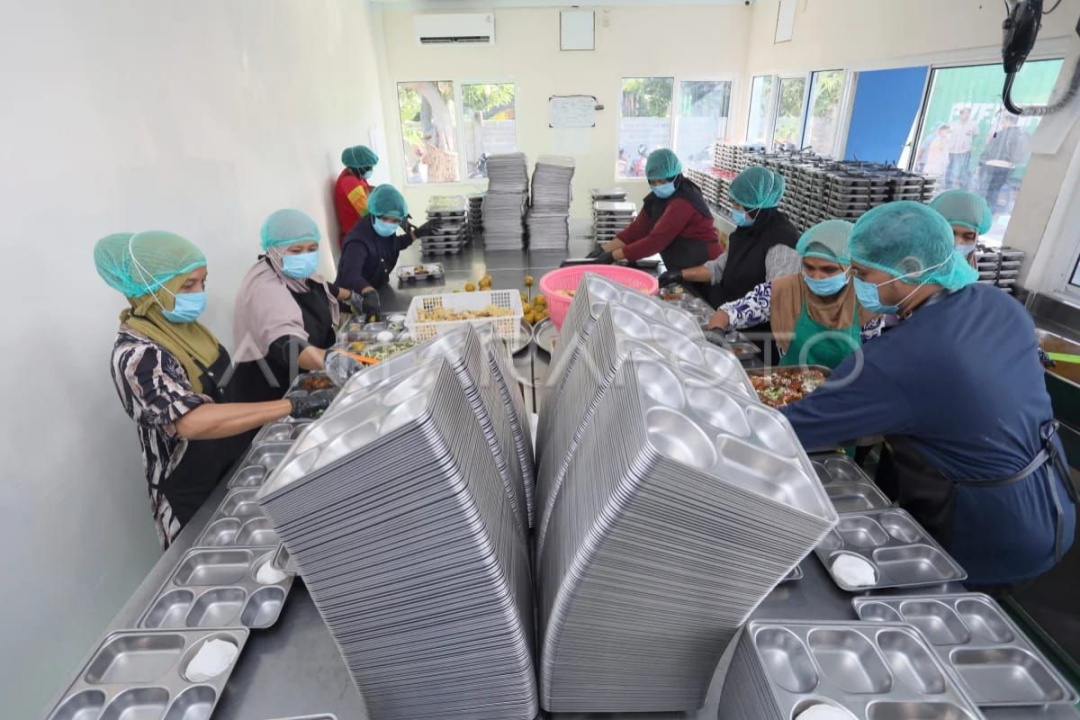
Collaboration to Enhance Nutrition Literacy Among Indonesian Teachers

In a significant initiative to bolster nutrition education, the National Nutrition Agency (BGN) and the Primary and Secondary Education Ministry in Indonesia have announced a collaboration aimed at enhancing nutrition and food safety literacy among teachers. This effort is part of the broader Free Nutritious Meals (MBG) program, which seeks to ensure that students receive not only nutritious food but also the knowledge necessary to make informed dietary choices. During a webinar held on August 12, 2026, BGN Deputy for Promotion and Cooperation, Mariman Darto, emphasized that the success of the MBG program hinges not just on the availability of nutritious meals, but also on the understanding of balanced nutrition, food safety, cleanliness, and healthy living habits within educational settings. The collaboration is designed to reach approximately 658,300 teachers and educational staff across Jakarta, West Java, and Banten, marking a crucial step towards embedding nutrition education within the school curriculum. BGN Head Sudaryono highlighted the dual mission of the MBG program, stating that it is not merely about food distribution but also about fostering a deeper understanding of nutrition among educators. He noted that teachers play a pivotal role in instilling healthy habits in students, which can extend to their families and communities. Furthermore, the program emphasizes the importance of food safety, urging educators to familiarize themselves with organoleptic testing to ensure the meals provided to students are safe for consumption. By enhancing the capacity of teachers and educational staff, the MBG program aims to promote not only the nutritional needs of students but also to cultivate a generation of Indonesians who are healthy, knowledgeable, and well-rounded individuals. This initiative reflects a comprehensive approach to nutrition education, recognizing the critical role that informed educators play in shaping the dietary habits and health outcomes of future generations.