Fitness Trackers Show Significant Errors in Calorie Burn Measurements, Studies Reveal
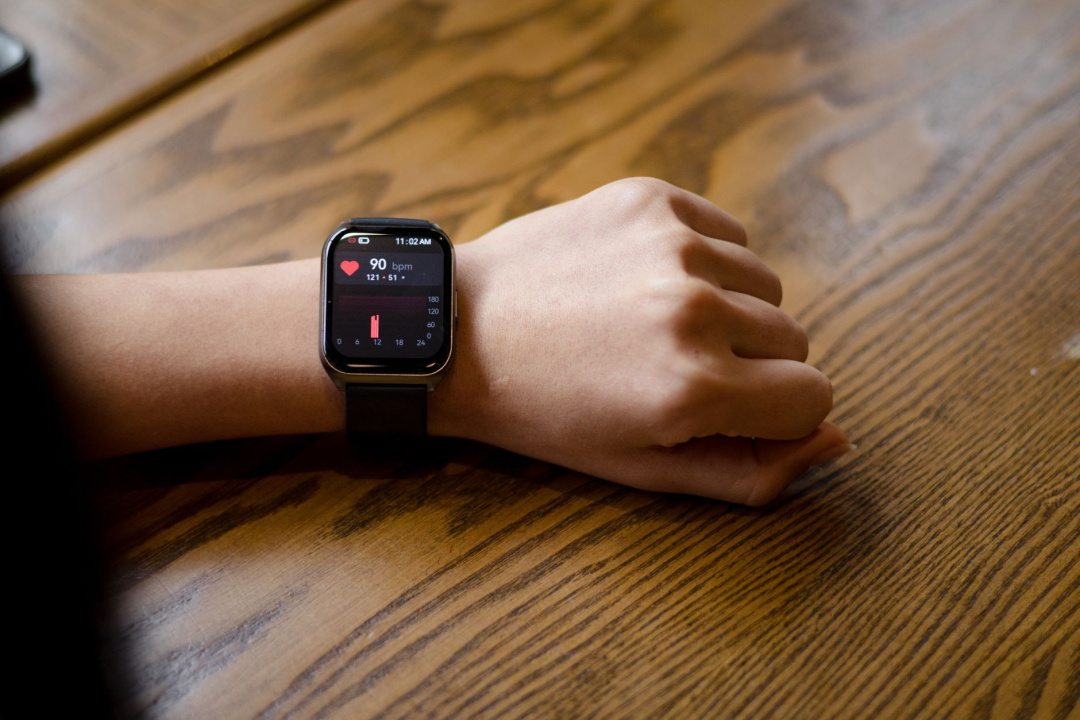
Fitness trackers are known for their ability to accurately measure heart rate, but recent studies indicate they fall short when it comes to estimating calorie burn. As of August 2026, validation studies have shown that wrist devices can misjudge energy expenditure by a staggering 27 to 93 percent when compared to laboratory measurements. A review encompassing 158 studies found that no brand of fitness tracker is reliable for calorie tracking. For instance, the Apple Watch tends to overestimate calorie burn, while Garmin often underestimates, and Fitbit shows variability in its accuracy. The Oura ring, while closer in daily totals, also struggles with accuracy during individual workouts.
The validation literature, which includes studies that compare device outputs against established methods like indirect calorimetry, reveals that while heart rate measurements are generally reliable, calorie estimates are the weakest aspect of these devices. In a landmark study conducted by Stanford researchers, participants wore multiple devices during various activities, and results indicated that even the best-performing device was off by a median of 27.4 percent in calorie estimates, with no device maintaining an error under 20 percent in any activity condition.
In practical terms, this means that a workout recorded at 500 kcal could actually range from 360 to 640 kcal, leaving users uncertain about their actual energy expenditure. Further complicating matters, a 2019 Japanese study found that most consumer devices significantly underestimated energy expenditure over a two-week period, with errors ranging from 19.4 to 100.2 percent.
The comprehensive review of 158 publications highlighted that only 9.2 percent of energy-expenditure comparisons fell within 3 percent of laboratory measurements, underscoring the unreliability of these devices for precise calorie tracking. Additionally, the direction of error varied significantly by brand, making it difficult for users to know whether to trust the calorie figures reported by their devices.
While the heart rate data from these trackers can be used effectively for training purposes, users are advised to treat calorie estimates with caution. The research suggests that individuals should focus on logging food intake and tracking weight trends rather than relying solely on the calorie burn figures provided by their fitness trackers. The overall message is clear: fitness trackers are valuable tools for monitoring effort and activity levels, but their calorie burn estimates should not be used as a definitive guide for dietary decisions.
In conclusion, while fitness trackers offer insights into physical activity, their calorie burn calculations are fraught with inaccuracies. Users should approach these figures as estimates rather than precise measurements, ensuring that their dietary planning is anchored in more reliable data.