Hybrid Mamba-Transformer Model Enhances Prediction of Gestational Diabetes Risk
Gestational diabetes mellitus (GDM) represents a significant disorder of glucose metabolism that occurs during pregnancy, necessitating early prediction to reduce adverse outcomes for both mothers and their newborns. A recent study proposes a novel hybrid Mamba-Transformer architecture that combines clinical and genetic features to enhance the prediction of GDM. The significance of early GDM prediction lies in its potential to inform personalized intervention strategies, thereby reducing the likelihood of complications such as fetal malformation and macrosomia, which can arise from unmanaged GDM.
The proposed model utilizes a correlation-driven weighted fusion method to integrate clinical and genetic data, thereby improving feature representation and highlighting the interplay between genetic susceptibility and clinical factors. Additionally, a sliding window technique is employed to reconstruct sample sequences from preprocessed data, facilitating the transformation of isolated features into context-aware group features. This method enables the model to effectively capture both population-level heterogeneity and individual risk factors.
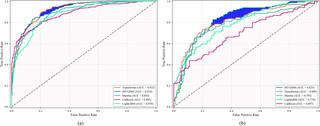
Trained on the publicly available DMRPD dataset from the Alibaba Cloud Tianchi platform, the hybrid Mamba-Transformer architecture features a modular encoder-decoder structure. The Mamba module acts as an efficient feature extractor, while the Transformer module is responsible for deep semantic modeling and sequence abstraction. Experimental results demonstrate that this innovative approach achieves competitive performance, with an area under the curve (AUC) of 0.825 on the test set, alongside sensitivity and specificity rates of 0.827 and 0.729, respectively, at the optimal threshold.
These findings suggest that the hybrid Mamba-Transformer model could significantly enhance early GDM risk prediction, potentially leading to more targeted screening strategies. However, the authors emphasize the need for further validation using larger and independent cohorts to confirm the model's generalizability and clinical applicability. This study highlights the importance of integrating clinical and genetic data in developing predictive models, addressing the limitations of traditional methods that often struggle with high-dimensional and complex interactions in clinical data.














