Glutamine's Role in Lipidome Remodeling During Human Cytomegalovirus Infection
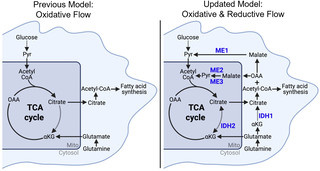
Human cytomegalovirus (HCMV) is known for its ability to hijack cellular metabolic pathways to facilitate its replication. A recent study has identified glutamine as a significant carbon source for lipid synthesis during HCMV infection, expanding our understanding of the virus's metabolic reprogramming. HCMV infection necessitates lipid synthesis, which is essential for the assembly and infectivity of the viral particle. Traditionally, glucose has been regarded as the primary carbon contributor for fatty acid synthesis, but this study highlights the overlooked role of glutamine in this process.
The researchers conducted metabolic tracing using 13C-labeled glutamine to track its incorporation into various lipid classes during HCMV infection. They found that glutamine contributes to the synthesis of phospholipids and neutral lipids, including phosphatidylcholine and triacylglycerol. Approximately 70% of the carbon from glutamine was directed towards fatty acid synthesis via a process known as reductive carboxylation, where glutamine is converted to citrate and subsequently used in lipid synthesis.
The study also explored the effects of physiological levels of glucose and glutamine on HCMV replication. Even when both nutrients were provided at levels typical of healthy individuals, HCMV was still able to promote fatty acid synthesis, although virus production was reduced. This suggests that HCMV has evolved mechanisms to utilize glutamine effectively, particularly when glucose is limited.
The findings underscore the importance of understanding how viruses manipulate host metabolism, as this knowledge could inform future therapeutic strategies. By elucidating the metabolic pathways exploited by HCMV, researchers can better comprehend the virus's behavior and potentially identify targets for intervention. Overall, this study provides valuable insights into the metabolic reprogramming that supports HCMV-induced lipidome remodeling, emphasizing the role of glutamine in viral replication.