Trial Evaluates High-Dose Rifampicin and Albendazole for River Blindness
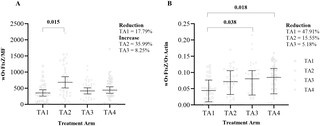
Onchocerciasis, also known as river blindness, poses a significant public health challenge, particularly in tropical regions. Despite the success of mass drug administration (MDA) with ivermectin, which targets juvenile worms, the disease remains persistent in many areas. To address this, researchers conducted a phase II randomized controlled trial in Ghana to evaluate the safety and efficacy of high-dose rifampicin (RIF) combined with albendazole (ALB) as an alternative treatment for onchocerciasis. The study enrolled 120 participants, who were randomly assigned to receive either RIF + ALB for 14 days, RIF + ALB for 7 days, ALB alone for 14 days, or no treatment. The primary outcomes assessed included the reduction of Wolbachia bacteria and microfilariae (MF) counts, as well as the vitality of adult worms. The results indicated that the combination treatment was safe and well-tolerated, with only mild and transient side effects reported. Notably, the 14-day regimen of RIF + ALB led to a significant reduction in Wolbachia load in skin MF at the four-month mark. However, no macrofilaricidal effect was observed, meaning that the treatment did not effectively kill adult worms. In contrast, ALB alone demonstrated sustained reductions in skin microfilarial densities at later follow-ups. These findings suggest that while high-dose RIF + ALB is safe, its efficacy in clinical settings is limited, particularly regarding adult worm elimination. This contrasts with preclinical trials that showed more promising results. The study underscores the necessity for further research to optimize RIF-based regimens and develop more effective treatments for onchocerciasis, which remains a critical public health issue affecting millions globally. The trial was registered under PACTR202009704006025, with results highlighting the ongoing need for innovative approaches to combat this debilitating disease.