Engineered Probiotics Offer Glucose Control in Diabetes Models
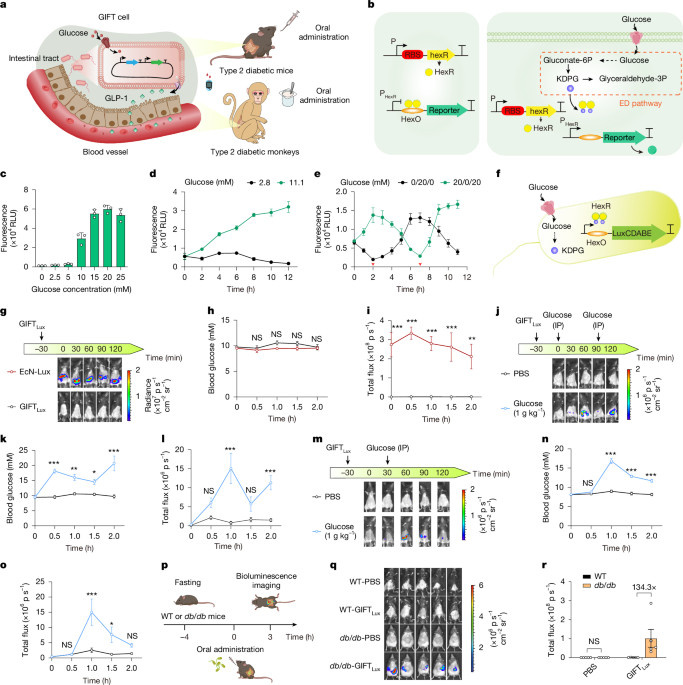
Recent advancements in diabetes therapy have led to the development of engineered probiotics capable of responding to glucose levels in the body. This innovative approach aims to provide a sustained and controlled delivery of glucose-lowering agents through a living drug that can be orally administered. Unlike traditional methods that rely on external signals or synthetic gene networks, which may pose safety concerns, these probiotics are designed to sense glucose levels and respond accordingly. The engineered probiotics incorporate a synthetic glucose-responsive circuit, utilizing the transcriptional regulator HexR and a synthetic promoter to modulate therapeutic transgene expression. Upon oral administration, these probiotics temporarily colonize the intestine, allowing them to regulate their activity based on real-time glucose levels. In studies conducted on diabetic mouse and non-human primate models, the engineered probiotics demonstrated significant efficacy in glycaemic control. Long-term administration resulted in notable improvements in lipid profiles and a reduction in the development of various diabetic complications. This sense-and-respond platform represents a promising step forward in metabolic therapy, offering a programmable solution that can adapt to the body's needs without the complications associated with transplantation. The findings underscore the potential of these engineered probiotics to revolutionize diabetes management by providing a safe, effective, and convenient treatment option.