Study Identifies Key Predictors of Frailty in Heart Failure Patients with Infections
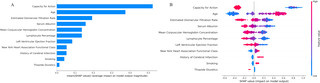
Frailty is a significant risk factor for adverse health outcomes in hospitalized patients, particularly among those with heart failure (HF) and acute infections. A recent study conducted at Nanjing First Hospital aimed to investigate the frailty risk factors in this population and develop a predictive model utilizing machine learning techniques. The study enrolled 1,498 HF patients hospitalized due to acute infections in 2023, with participants randomly divided into training and testing sets. The research utilized univariate analysis and the least absolute shrinkage and selection operator (LASSO) regression to screen potential predictors. Eight machine learning algorithms were evaluated to determine the optimal predictive model, with model interpretability enhanced through the SHapley Additive exPlanations (SHAP) method.
The findings revealed that frailty was prevalent in 80.3% of the cohort, with several key predictors identified. These included the use of thiazide diuretics, serum albumin levels, estimated glomerular filtration rate (eGFR), lymphocyte percentage, mean corpuscular hemoglobin concentration (MCHC), capacity for action, age, left ventricular ejection fraction (LVEF), New York Heart Association (NYHA) functional class, history of cerebral infarction, and smoking status. Among the eight models tested, the eXtreme Gradient Boosting (XGBoost) model demonstrated superior performance, achieving the highest area under the receiver operating characteristic curve (AUROC: 0.872) and precision-recall curve (AUPRC: 0.969).
Notably, the study identified the use of thiazide diuretics as an independent predictor associated with a lower probability of frailty. To facilitate real-time risk estimation, the researchers developed an online calculator based on their predictive model, showcasing its potential application in clinical settings. This innovative approach aims to improve the identification of high-risk individuals and tailor appropriate interventions based on individual risk factors, ultimately seeking to reduce the incidence of frailty or even reverse its progression in affected patients.
The study highlights the importance of addressing frailty in patients with heart failure and acute infections, as these conditions often coexist and exacerbate each other. By utilizing advanced machine learning techniques and developing a user-friendly tool for clinicians, the research contributes valuable insights into the management of frailty in this vulnerable patient population. The findings underscore the need for further research to validate these predictors and enhance clinical practice in the context of frailty assessment and intervention.