Linking Inflammatory Bowel Disease and Osteoporosis Through Apoptosis-Related Genes
A recent study published in PLOS One delves into the intricate connection between inflammatory bowel disease (IBD) and osteoporosis (OP), noting that IBD often accelerates the onset of OP. Despite the prevalence of both conditions, the underlying mechanisms linking them remain poorly understood. The researchers employed bioinformatics tools to analyze gene expression data from the GEO database, focusing on identifying genes that are dysregulated in both diseases.
The study utilized differential expression analysis to pinpoint genes that are significantly altered in patients with IBD and OP. It employed the limma package for statistical analysis and Weighted Gene Co-expression Network Analysis (WGCNA) to explore the relationships between gene expression patterns and disease phenotypes. By intersecting differentially expressed genes with key WGCNA modules, the researchers were able to identify candidate genes that may play a role in the pathogenesis of both IBD and OP.
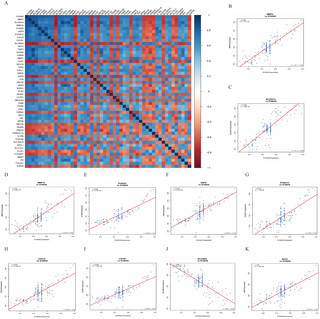
Among the findings, two genes, WNT1 and S100A8, emerged as critical players in the progression of both conditions. Gene Set Enrichment Analysis indicated that WNT1 is primarily involved in processes such as cell cycle checkpoint signaling and neuroactive ligand-receptor interactions, while S100A8 is linked to immune responses and inflammatory pathways. The study also highlighted the correlation of these genes with other significant genes, suggesting a complex regulatory network at play.
The implications of these findings are significant, as they provide new insights into potential therapeutic targets for patients suffering from both IBD and OP. Understanding the shared genetic mechanisms may pave the way for improved clinical strategies aimed at mitigating bone loss associated with IBD.
The research underscores the necessity for further investigation into the pathophysiological connections between these two diseases. By elucidating the common pathways and molecular targets, healthcare professionals may better address the challenges faced by patients with concurrent IBD and OP. This study serves as a foundation for future research aimed at enhancing treatment approaches and improving patient outcomes in this dual-disease context.