CDC Reports Over 24,000 Cyclosporiasis Infections Linked to Iceberg Lettuce
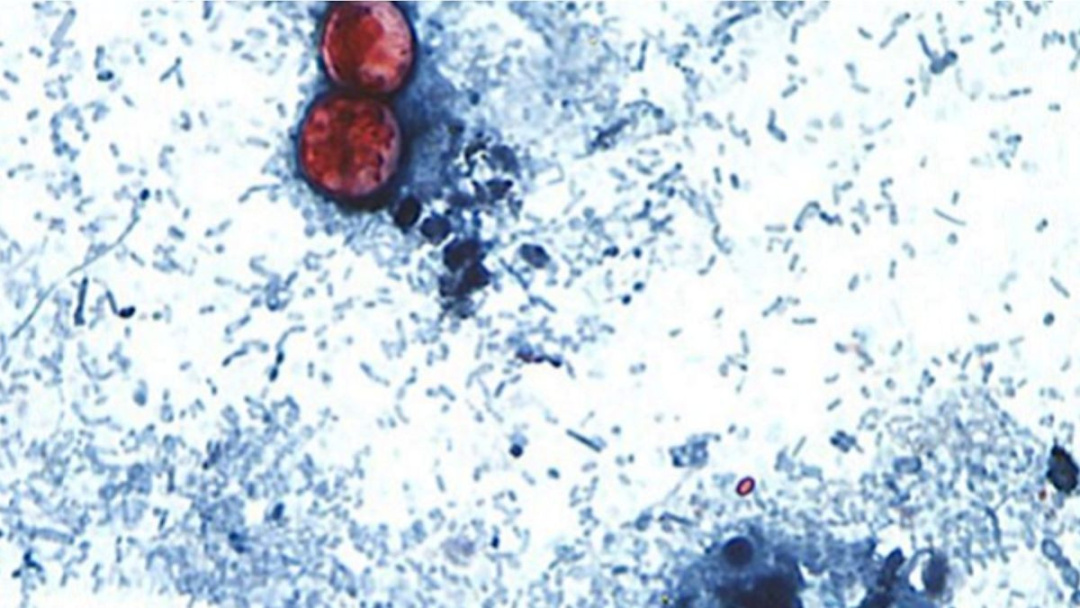
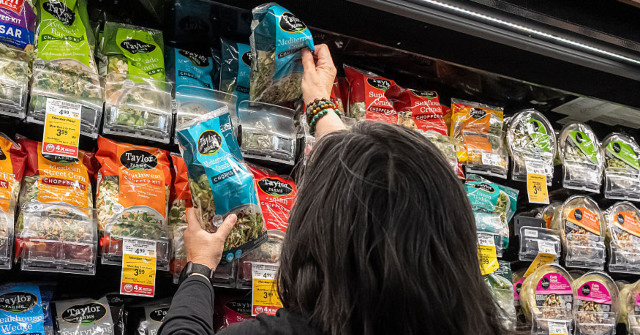
The Centers for Disease Control and Prevention (CDC) has reported that cases of cyclosporiasis have exceeded 24,000, with at least 13,895 being laboratory-confirmed cases. This outbreak is linked to shredded iceberg lettuce supplied by Taylor Farms, which has been recalled. The CDC's data indicates that there have been 740 hospitalizations associated with this outbreak, and there are an additional 10,455 suspected cases that have not yet been confirmed through laboratory testing.
The increase in reported cases appears to be slowing, with only about 2,000 new cases recorded in the last week, compared to a surge of over 10,000 the previous week. The ages of those affected range from 1 to 98 years old, highlighting the widespread impact of this foodborne illness. It is important to note that there is typically a six-week lag in reporting from the time individuals begin to feel unwell, suggesting that the number of cases may continue to rise as more reports come in.
The outbreak has been traced back to iceberg lettuce that was sourced from central Mexico and distributed by Taylor Farms. Initially, illnesses were linked to shredded lettuce served at Taco Bell in nine states, but further investigations revealed that the lettuce had also been distributed to various food services, retail stores, and restaurants across the country. As of now, 6,358 illnesses have been reported across 15 states, with health officials emphasizing that the actual number of sick individuals is likely higher than reported.
Additionally, two deaths have been confirmed in Michigan, both involving individuals with significant underlying health conditions. The Food and Drug Administration (FDA) has indicated that the outbreak may not be confined to the states currently reporting illnesses, raising concerns about the broader implications of this food safety issue. Taylor Farms has issued a voluntary recall of all iceberg lettuce sourced from central Mexico in response to the outbreak, aiming to mitigate further health risks to consumers.
As the situation develops, public health officials continue to monitor the outbreak closely, urging consumers to stay informed about food safety practices and to report any suspected cases of foodborne illness to health authorities.