Cooked Salads Recommended Amid Cyclospora Outbreak Concerns
The cyclospora outbreak has raised concerns among consumers, with reports indicating a potential slowdown in some areas while rising in others. Despite some recalls aimed at addressing the parasitic infection, experts caution that there may be undiscovered sources contributing to the outbreak. Many nutrition clients express reluctance to consume their usual salads due to these safety concerns, prompting a shift towards cooked alternatives.
In light of these developments, Taylor Farms has issued a recall for key taco ingredients, including fresh salsa and guacamole, linked to a salmonella outbreak associated with jalapeños. This situation underscores the importance of taking precautions in the kitchen to mitigate risks. Dietitians stress that it is crucial not to abandon vegetable consumption entirely, especially as the outbreak persists longer than usual, depriving individuals of essential nutrients like fiber, potassium, and antioxidants.
To reduce the risk of foodborne illness, cooking vegetables is recommended. While it is not necessary for greens to be fully boiled, they must reach temperatures of at least 158°F to effectively kill cyclospora spores, and 165°F for salmonella. This means that simply drizzling hot dressing over a salad may not suffice for safety.
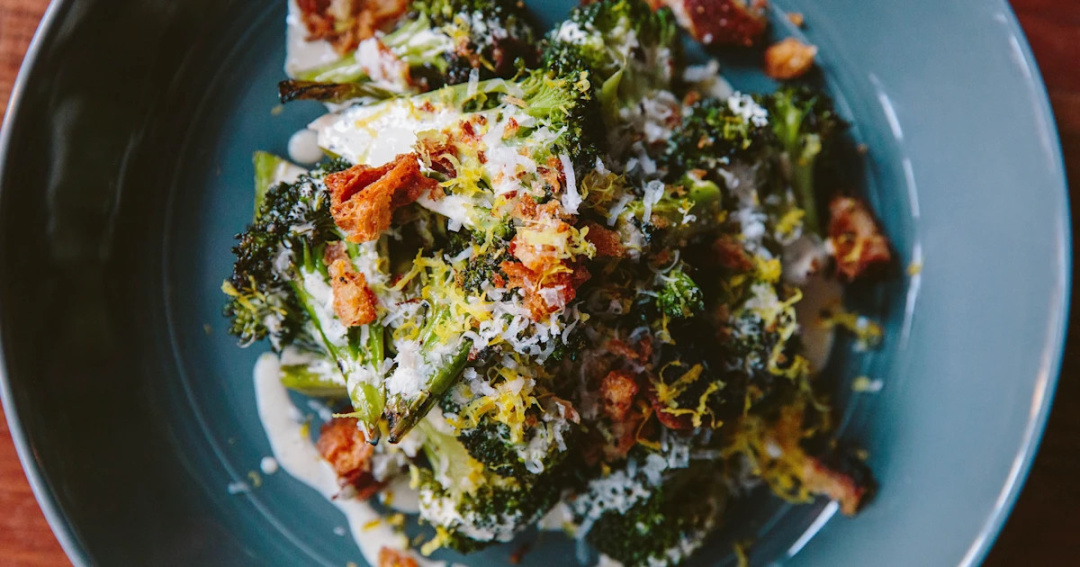
Instead, grilled, sautéed, or roasted salads can provide a delicious and safe way to enjoy vegetables. Many cooked salads can be served at room temperature or chilled, making them suitable for summer meals. Here are some enticing recipes that can help you enjoy vegetables while minimizing health risks.
One recipe features a honey mustard dressing that pairs well with summer vegetables, which can be cooked in an air fryer for convenience. Another highlights the seasonal delight of stone fruits, such as cherries and peaches, which can be grilled for added flavor. Additionally, a sautéed mixture of poblanos, corn, and fresh herbs creates a vibrant dish that can be enhanced with creamy toppings.
For those seeking a creamy salad, a blend of sautéed spinach, shallots, and artichoke hearts can be served with brown butter chickpeas or as a dip with pita chips. Incorporating pasteurized eggs into dressings can further reduce the risk of salmonella in recipes that require raw ingredients.
The article also suggests utilizing late summer vegetables, such as eggplant, in a skillet caponata that can be enjoyed on flatbread or as a side dish. Other recipes include a retro green bean salad, a flavorful Korean spinach side, and a hearty quinoa salad that can be customized based on seasonal produce. Each recipe emphasizes the importance of cooking methods that ensure safety while retaining the deliciousness of summer vegetables.
In conclusion, as the cyclospora outbreak continues to influence food choices, opting for cooked salads can help maintain a healthy diet without compromising safety. These recipes not only address health concerns but also celebrate the vibrant flavors of summer produce, encouraging individuals to enjoy their vegetables in a safe and satisfying manner.