Concerns Raised Over NYC Mayor's Plan for City-Run Grocery Stores

New York City Mayor Zohran Mamdani's initiative to open five city-run grocery stores has drawn criticism from local business leaders, particularly John Catsimatidis, CEO of the Gristedes supermarket chain. Catsimatidis argues that the plan, which aims to address food affordability in the city, could inadvertently harm existing bodegas and supermarkets. He points out that the government-backed stores will have advantages over local businesses, such as not paying property taxes or rent, which could allow them to undercut prices significantly.
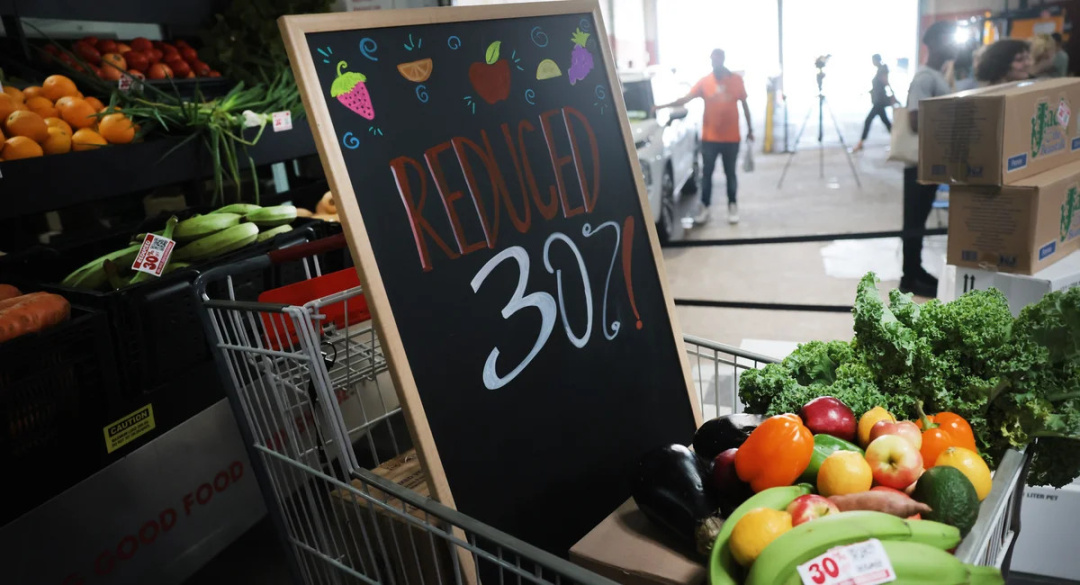
Mamdani's proposal, announced in July, includes plans to open the first store in Hunts Point, Bronx, by late 2027, with the goal of having all five operational by 2030. Each store is set to offer a 30% discount on essential grocery items, including meat, seafood, and fresh produce, as part of an effort to combat the rising cost of living in New York City. Mamdani expressed that grocery shopping should not be a source of anxiety for residents, highlighting the need for affordable options.
However, Catsimatidis warns that the initiative may not effectively address food insecurity and could instead lead to the closure of local businesses. He notes that many grocery stores operate on slim profit margins of just 1% to 3%, making it difficult for them to compete with government-subsidized prices. He also raised concerns about the increasing costs faced by local business owners, including congestion pricing and rising utility expenses, which further complicate their ability to remain competitive.
The city is currently seeking private operators to manage the logistical aspects of running these stores, and Mamdani's administration has committed to covering property taxes and rental costs. Critics like Catsimatidis argue that this approach creates an uneven playing field for local businesses.
Despite the controversy, Nevin Cohen, director of the CUNY Urban Food Policy Institute, emphasizes the urgent need to address food insecurity in New York City, where approximately 1.4 million residents struggle to afford sufficient food. Cohen points to existing programs aimed at identifying food deserts and providing incentives for new supermarkets in underserved neighborhoods.
As the debate continues, Catsimatidis suggests that the city should consider providing tax credits to local grocery stores to help them lower prices without jeopardizing their operations. He believes that a balanced approach is necessary to ensure that all New Yorkers have access to affordable food options without undermining local businesses.
The discussion surrounding Mamdani's grocery store plan highlights the complexities of addressing food access and affordability in a city where many residents face economic challenges. As the initiative progresses, the impact on local businesses and the effectiveness in alleviating food insecurity will be closely monitored.