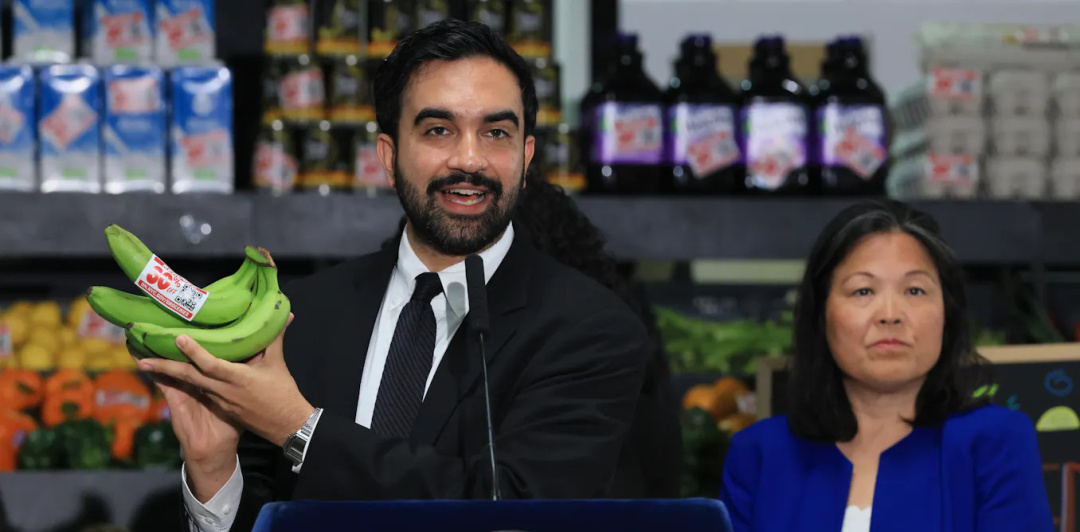
New York City Plans Grocery Stores to Provide Cheaper Food Options
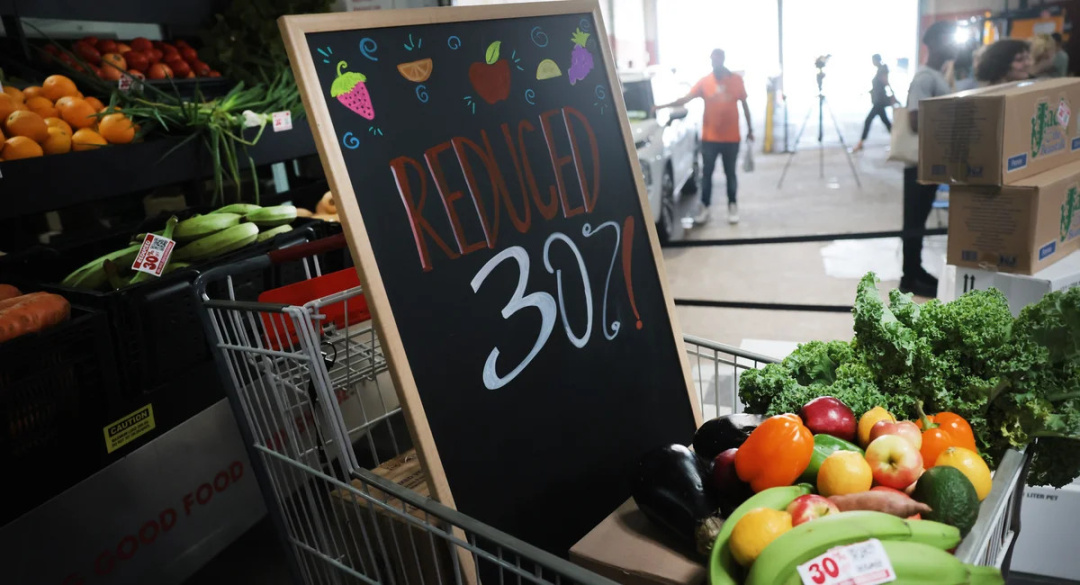
New York City is taking steps to alleviate food costs through a new initiative led by Mayor Zohran Mamdani, which aims to open grocery stores that will sell a core basket of items at prices 30% lower than typical retail. The city is currently seeking experienced grocers to manage these stores, with the first location set to open in the Bronx at La Peninsula, an affordable housing development, by late next year. The initiative is designed to address food affordability in the city, where rising grocery prices have become a significant concern for residents.
The city has outlined a plan where a private operator will oversee the day-to-day management of the grocery stores, including purchasing food, determining inventory from wholesalers, staffing, and maintaining the facilities. This approach is seen as pragmatic by food experts, who suggest that outsourcing the complexities of grocery operations will allow the city to open locations quickly. Proposals from potential operators are due by October 16, 2026.
The grocery stores will focus on providing essential items at reduced prices, with a commitment to maintaining these prices monthly without fluctuations. However, items that are highly processed or contain excess sugars and fats will not be included in the discounted offerings. While the specific inventory remains to be determined, the stores are expected to cater to diverse dietary needs, including options that are kosher, halal, gluten-free, and suitable for diabetics. Notably, the stores will not sell alcohol, nicotine, or tobacco products.
City officials are still working on how to establish typical retail prices to ensure their prices are consistently 30% lower. The variability of food prices across different stores and neighborhoods complicates this task, but the selected grocer will play a key role in determining these pricing strategies.
Despite the potential benefits, local grocers and bodega groups have expressed concerns regarding the impact of Mamdani's plan on their businesses, even leading to lawsuits against the city. However, experts believe that opening just five stores is unlikely to disrupt the market significantly, especially since these stores will not compete directly with many of the products typically sold in local bodegas.
The city is committed to prioritizing full-time employees for the grocery stores, ensuring they receive affordable health insurance, family-sustaining wages, and benefits. The city plans to invest $70 million to establish the stores, covering rent and taxes while potentially subsidizing operational costs to maintain the lower prices.
Mamdani's initiative is compared to successful public-private partnerships in other regions, although past efforts have struggled due to inadequate funding. Errol Schweizer, a former grocery executive and consultant for the city, emphasizes that the key to success lies in the city's ability to subsidize prices effectively.
The initiative is designed to be inclusive, accepting SNAP and WIC payments, and will not require identification for entry. If successful, this model could be replicated in more locations or even beyond New York City, potentially creating a delivery and supply chain that benefits smaller grocers and bodegas by allowing them to offer lower prices to their customers. James Oehmke, a director at Rutgers University, notes that this experiment is a reasonable size for assessing its impact on food affordability in the city.