Sommelier Advises Against Water for Cleansing Palate Before Wine Tasting
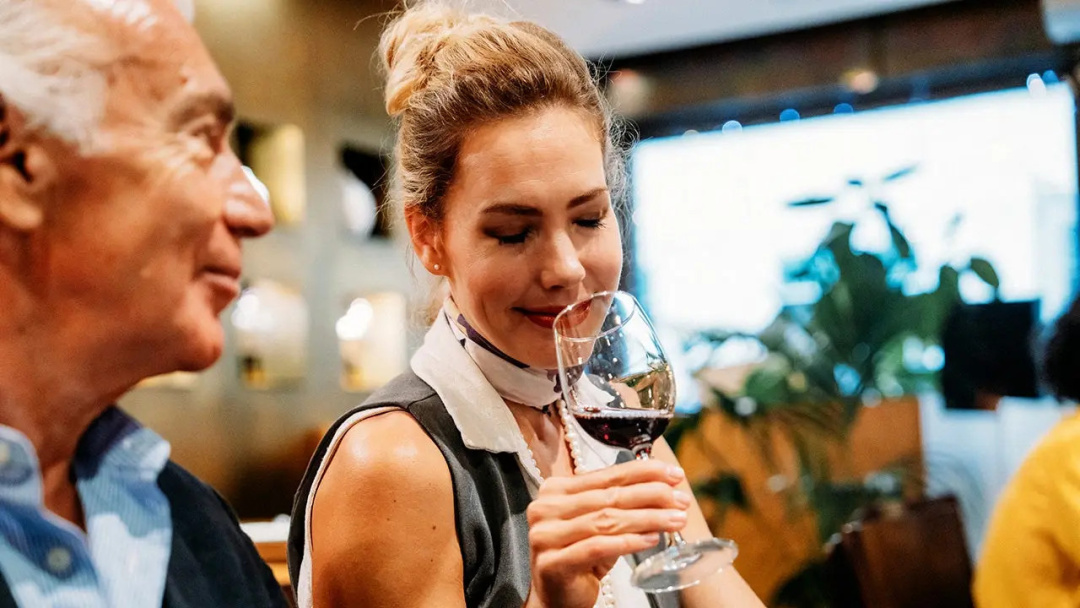
A sommelier has raised concerns about a common practice among wine drinkers: sipping water before or between tastings. According to Sarah Looper, a New York-based sommelier and wine educator, this habit can interfere with the ability to taste wine as intended. She explains that anything consumed prior to tasting wine can alter its true flavors. To accurately judge a wine, Looper suggests taking several sips rather than relying on water to cleanse the palate. The first sip, she notes, sets the tone for the tasting experience, and it is crucial to also engage the sense of smell at this point. Looper describes a phenomenon known as retronasal olfaction, where aromas from the wine travel from the mouth to the nose, enhancing flavor perception. She highlights that individual palates can vary significantly due to factors such as oral pH and taste sensitivity. For instance, consuming something sugary or highly acidic before wine can skew one’s ability to evaluate its flavors accurately. Looper emphasizes that the key to resetting one’s palate is not simply drinking water but allowing time for the palate to adjust. She recommends taking a moment after the first sip to let the flavors settle before taking a second sip, which will help solidify the wine’s characteristics in the drinker’s mind. Additionally, she points out that wine flavors can evolve as they interact with oxygen, meaning that a wine may taste different after a few minutes. On days when she is tasting wine professionally, Looper follows a specific routine to prepare her palate. She brushes her teeth early in the day, drinks black coffee to reset her palate, and avoids consuming anything else until she arrives at the tasting venue. While she advocates for hydration, she prefers to let her palate settle naturally rather than relying on water to reset it. Looper encourages wine drinkers to focus on their personal preferences rather than adhering strictly to conventional tasting rules. She suggests that the experience of tasting wine should be enjoyable and tailored to individual tastes, allowing for flexibility in how wines are paired and appreciated.