North Carolina's 'I Gave Birth' Wristbands Aim to Enhance Postpartum Care Awareness
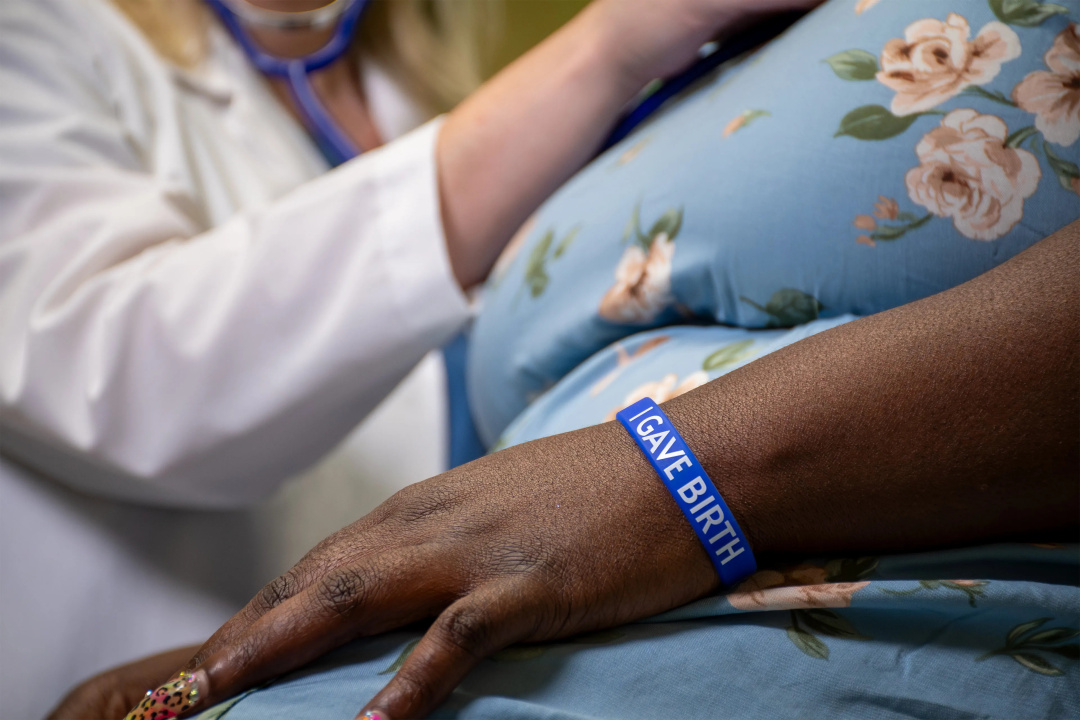
Hospitals across the United States are taking steps to address the alarming rates of maternal deaths and complications following childbirth with a simple yet impactful tool: a silicone wristband inscribed with the phrase "I Gave Birth." This initiative, which originated from ECU Health in North Carolina, has gained traction as part of a broader effort to combat the maternal mortality crisis exacerbated by the COVID-19 pandemic. Since its inception in 2021, nearly 50 hospitals in North Carolina and the state's health department have begun distributing these wristbands, serving as a visual reminder of the serious health risks that can arise after childbirth.
The wristbands are designed to alert healthcare providers and emergency workers to the potential postpartum complications that new mothers may face, ensuring they receive appropriate care. This is particularly crucial given that nearly 70% of pregnancy-related deaths occur after delivery, with a significant proportion happening after the six-week postpartum period. The initiative has also spread to other states, including Connecticut, Arkansas, Georgia, and Mississippi, with hospitals in at least 24 states adopting the program.
In 2026, North Carolina plans to expand this initiative, funded in part by $213 million from the Rural Health Transformation Program, a provision of the One Big Beautiful Bill Act, which was championed by the Trump administration. While the wristbands have been praised by maternal health advocates, including Tamika Auguste, a physician and board chair at the American College of Obstetricians & Gynecologists Foundation, they are viewed as just one piece of a larger puzzle in addressing the maternal mortality crisis.
Concerns have been raised about the implications of proposed Medicaid cuts, which could significantly impact postpartum care. The Congressional Budget Office has projected that the Trump administration's proposed law could reduce Medicaid spending by over $900 billion over the next decade, raising alarms among maternal health advocates. Elisabeth Wright Burak, a policy researcher at Georgetown University, highlighted that these cuts could reverse the progress made since Congress allowed states to extend postpartum Medicaid coverage from 60 days to one year.
Despite the positive reception of the wristbands, experts stress that they are not a comprehensive solution to the maternal mortality crisis. Research indicates that many postpartum patients may not receive adequate follow-up care, and there are concerns about the potential for states to improperly manage Medicaid coverage under new work requirements. A report co-authored by Burak warned that postpartum patients may face additional challenges in accessing care due to these changes.
The CDC has reported fluctuations in maternal mortality rates over the past several years, with 649 maternal deaths recorded in 2024. North Carolina's maternal mortality rate stands at approximately 29 deaths per 100,000 births, while the national average is 23. The wristband initiative has reportedly contributed to a reduction in postpartum readmissions at ECU Health Medical Center, although the exact impact of the program remains to be thoroughly evaluated.
Patients are instructed to wear the wristbands for weeks or months after giving birth, serving as a reminder to seek medical attention if they experience symptoms such as chest pain, headaches, or bleeding. The wristbands aim to enhance awareness among both new mothers and healthcare providers, particularly emergency staff who may not be trained to recognize postpartum complications.
While the initiative has gained visibility through social media and health awareness campaigns, it is not without its critics. Some women, like Alexandra Mellon, who experienced a stillbirth, have expressed that the wristbands could serve as a painful reminder of their loss. Mellon advocates for community and emotional support for new mothers, emphasizing that while the wristbands may help some, they are not a universal solution.
As the CDC continues to push for improved emergency protocols and better tracking of maternal health data, the future of initiatives like the 'I Gave Birth' wristbands will depend on ongoing research and the political landscape surrounding maternal health funding. Without further studies, the effectiveness of these wristbands in encouraging postpartum patients to seek necessary care remains uncertain, highlighting the need for comprehensive approaches to maternal health that address both awareness and systemic challenges.