Impact of Obesity on Access to Kidney Transplantation in Dialysis Patients
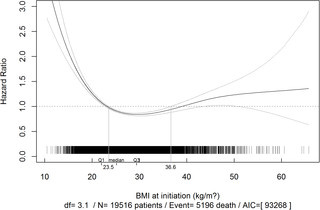
A recent study published in PLOS ONE has shed light on the significant relationship between body mass index (BMI) and access to kidney transplantation for patients with end-stage renal disease (ESRD) who are beginning dialysis. Conducted between 2002 and 2011, the research utilized data from the French nationwide Renal Epidemiology and Information Network, including 19,524 patients. The study aimed to explore how BMI at the start of dialysis and subsequent changes in BMI influenced the likelihood of receiving a kidney transplant and overall mortality rates among these patients.
The results indicated that patients starting dialysis with a BMI greater than 31 kg/m2 had a significantly lower chance of being approved for a kidney transplant. As the BMI increased, the likelihood of receiving a transplant decreased further. Notably, for patients with a BMI of 30 kg/m2 or higher, a reduction of just 1 kg/m2 in BMI during the follow-up period was associated with a 9% to 11% increase in the likelihood of receiving a transplant. This finding underscores the potential impact of weight management on improving access to life-saving organ transplants.
The study also identified an L-shaped relationship between BMI at the start of dialysis and overall mortality, suggesting that while obesity is a risk factor, it also presents barriers to receiving appropriate medical care. The authors advocate for a reevaluation of the organ allocation process to ensure fairness and equity, particularly for obese patients who may face unjust obstacles in receiving transplants.
The research highlights the importance of addressing the disparities in healthcare access for obese individuals with ESRD. By improving awareness and understanding of these barriers, healthcare systems can work towards more equitable treatment options for all patients, regardless of their BMI. This study serves as a crucial reminder of the need for ongoing discussions about obesity, healthcare access, and the ethical implications of organ allocation policies.