Canadian Dairy Aisles Transform in Response to Health-Conscious Consumer Trends
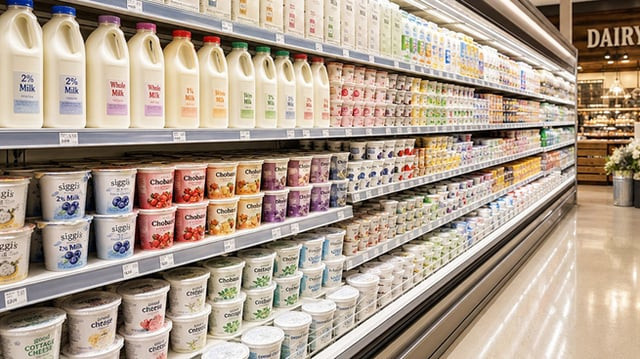
Retail dairy departments across Canada are experiencing a notable transformation as consumer purchasing behaviors shift towards functional wellness, protein density, and digestive health. This change is driven by a growing interest in satiety and everyday nutrition, prompting shoppers to rethink their approach to dairy products. Data indicates that over 70% of Canadian consumers are actively seeking to increase their daily protein intake, which is fueling rapid growth in functional dairy categories.
The demand for products that promote digestibility and gut health has become a key factor influencing consumer choices, leading to a sustained interest in fermented and probiotic-rich items. Products such as ultra-filtered milk, kefir, Icelandic skyr, and high-protein Greek yogurts are gaining popularity, often at the expense of traditional dairy products that are higher in sugar. Additionally, the resurgence of cottage cheese, spurred by social media trends and a preference for clean-label products, highlights the increasing consumer demand for natural, high-quality dairy protein.
Innovations in processing, including ultra-filtration and lactose-free enzyme treatments, have enabled brands to offer higher protein concentrations while simultaneously reducing naturally occurring sugars. For instance, ultra-filtered milk variants can provide up to 50% more protein and half the sugar compared to standard fluid milk, catering to health-conscious consumers and those utilizing GLP-1 weight management therapies. These advancements allow dairy processors to market fluid and cultured products as premium, value-added nutrition solutions.
In response to these evolving consumer habits, grocery retailers are reorganizing store layouts and updating packaging to emphasize functional claims. Clear labeling that highlights protein content, low sugar levels, probiotic strains, and clean-label sourcing is becoming more common, streamlining the shopping experience for busy consumers. Retailers are also utilizing secondary displays, protein-focused snacking endcaps, and curated wellness sections to enhance visibility and encourage higher spending in the dairy aisle.
As consumer expectations continue to evolve, there are significant long-term growth opportunities for dairy processors willing to align their product development with these functional health trends. To maintain market share against non-dairy alternatives, continuous innovation in taste, clean-label formulations, and convenient packaging will be essential. As functional nutrition becomes more mainstream, high-protein and gut-friendly dairy offerings are set to drive value creation within the Canadian retail dairy market.