Proposed FDA Rule to Increase Oversight of Food Ingredients, Costing $210 Million
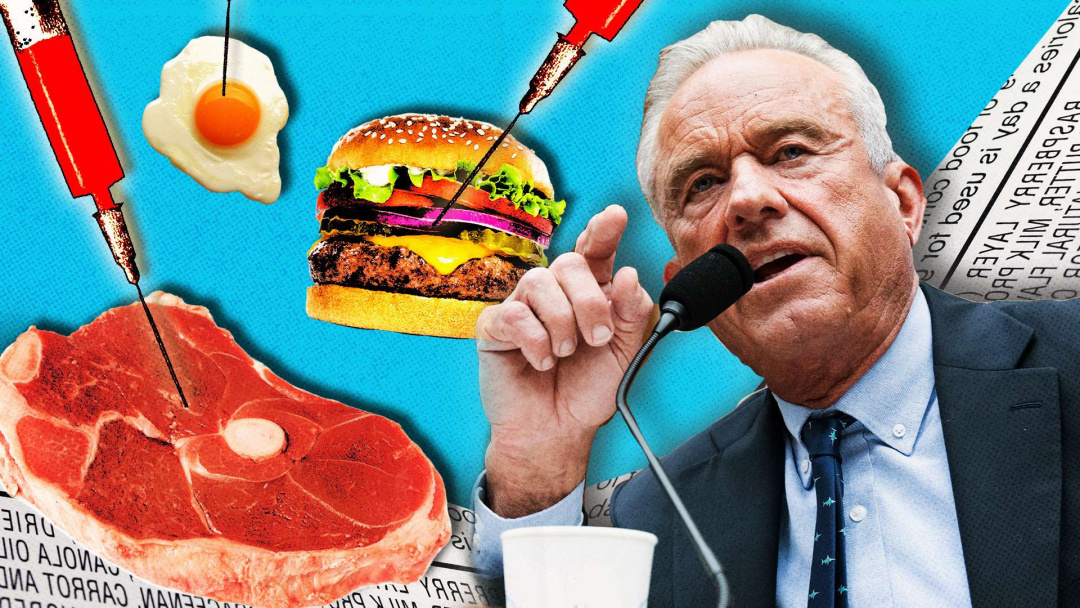
On August 11, 2026, Health and Human Services Secretary Robert F. Kennedy Jr. announced a proposed federal rule aimed at tightening regulations on food additives as part of his initiative to "Make America Healthy Again." This rule is designed to close the "generally recognized as safe" (GRAS) loophole, which currently allows companies to self-certify the safety of certain food ingredients without stringent government oversight. Under the new proposal, manufacturers would be mandated to inform the Food and Drug Administration (FDA) when they determine that a food ingredient is GRAS, along with the rationale behind that decision.
While the rule does not require FDA approval prior to marketing a product, it does impose a requirement for companies to notify the FDA about new ingredients. Non-compliance could lead to those substances being subjected to increased scrutiny by the FDA. RFK Jr. emphasized that this initiative would provide the FDA with greater visibility into the substances entering the food supply, stating, "The proposal would give the agency greater visibility into the substances that are entering our food supply."
However, the FDA has estimated that implementing this rule could impose approximately $90 million in costs over a decade, with potential costs soaring to $210 million. This financial burden is expected to significantly affect many small businesses within the food industry. The implications of such regulations are substantial, as they could lead to increased prices for consumers due to compliance costs being passed down.
This is not the first costly regulation proposed by RFK Jr. in his campaign to improve public health. Previous analyses have indicated that state nutrition laws under the MAHA initiative could result in billions of dollars in additional costs for consumers, businesses, and local governments, particularly in terms of compliance and increased spending on school meals.
The FDA has acknowledged the economic repercussions of compliance costs in the past. For instance, a proposal requiring specific nutritional information on food labels was projected to cost the packaged-food industry around $3.2 billion over ten years, with the agency admitting that these costs might be transferred to consumers through price hikes.
Critics of the proposed rule, such as Jeffrey Singer, a general surgeon and senior fellow at the Cato Institute, argue against government intervention in personal dietary choices. Singer contends that individuals should have the autonomy to make their own decisions regarding food additives, asserting that food manufacturers have their own incentives to maintain safety and quality to protect their reputations and avoid liability. He cautions that government approval does not equate to guaranteed safety, citing past instances where approved medications, like Vioxx, were later found to have serious risks.
Ultimately, while RFK Jr.'s proposed rule aims to enhance food safety oversight, it raises concerns about the potential for increased food costs and the delegation of consumer safety judgments to federal regulators. The balance between ensuring food safety and maintaining affordable access to food remains a critical discussion point as this proposal moves forward.