Study Identifies Cell Cycle-Related Biomarkers for Sepsis Using RNA Sequencing Techniques
Sepsis is a critical condition characterized by life-threatening organ dysfunction due to a dysregulated immune response to infection. Current diagnostic biomarkers often lack the specificity and sensitivity needed for timely intervention, highlighting the urgent need for more reliable markers. A recent study aimed to address this gap by investigating cell cycle-related genes, which have been implicated in inflammatory responses and immune dysfunction associated with sepsis.
The researchers employed an integrated approach utilizing transcriptomic profiles from the Gene Expression Omnibus (GEO) database, analyzing data to identify candidate genes that overlap between sepsis and control samples. Using machine learning algorithms, they screened for potential biomarkers, followed by validation through expression level assessment and receiver operating characteristic (ROC) curve analysis. The study also performed gene set enrichment analysis (GSEA) and immune infiltration analysis to provide further insights into the biological pathways involved in sepsis.
The study identified four key biomarkers: UPP1, DRAM1, GADD45A, and MAPK14, all of which were significantly upregulated in sepsis samples, demonstrating an area under the curve (AUC) greater than 0.9. GSEA revealed that these biomarkers were associated with 65 shared pathways, including toll-like receptor signaling and antigen processing. Additionally, immune analysis indicated altered infiltration of various cell subsets in sepsis, with increased neutrophil numbers and decreased CD8+ T cell counts. The drug prediction analysis identified 19 potential drugs, such as doxorubicin hydrochloride and cisplatin, which may have dual-targeting capabilities.
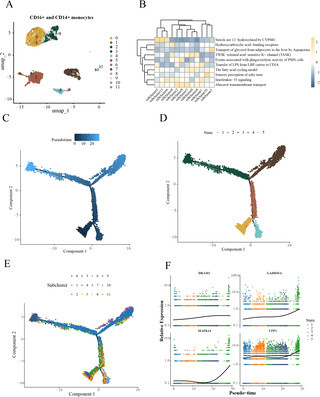
Single-cell RNA sequencing confirmed the role of CD16+ and CD14+ monocytes as key cell types among the six identified, with all biomarkers showing increasing expression trends during their differentiation. This study not only identified critical biomarkers for sepsis but also provided computational evidence linking them to relevant pathways and monocyte differentiation, paving the way for future experimental validation and biomarker development.
The findings underscore the importance of exploring cell cycle-related genes in the context of sepsis and suggest new directions for early diagnosis and targeted therapeutic strategies. The study was published in PLOS One and represents a significant step in understanding the molecular mechanisms underlying sepsis.














