Six Herbs and Spices Identified as Significant Sources of Vitamin C
A recent report has identified six herbs and spices that serve as significant sources of vitamin C, according to data from the U.S. Department of Agriculture (USDA) FoodData Central. Vitamin C is known for its role in supporting immune function, with recommended daily intakes for adults ranging between 90 and 120 milligrams. The USDA's values are based on 100-gram portions, which means typical serving sizes will provide smaller amounts of this essential nutrient.
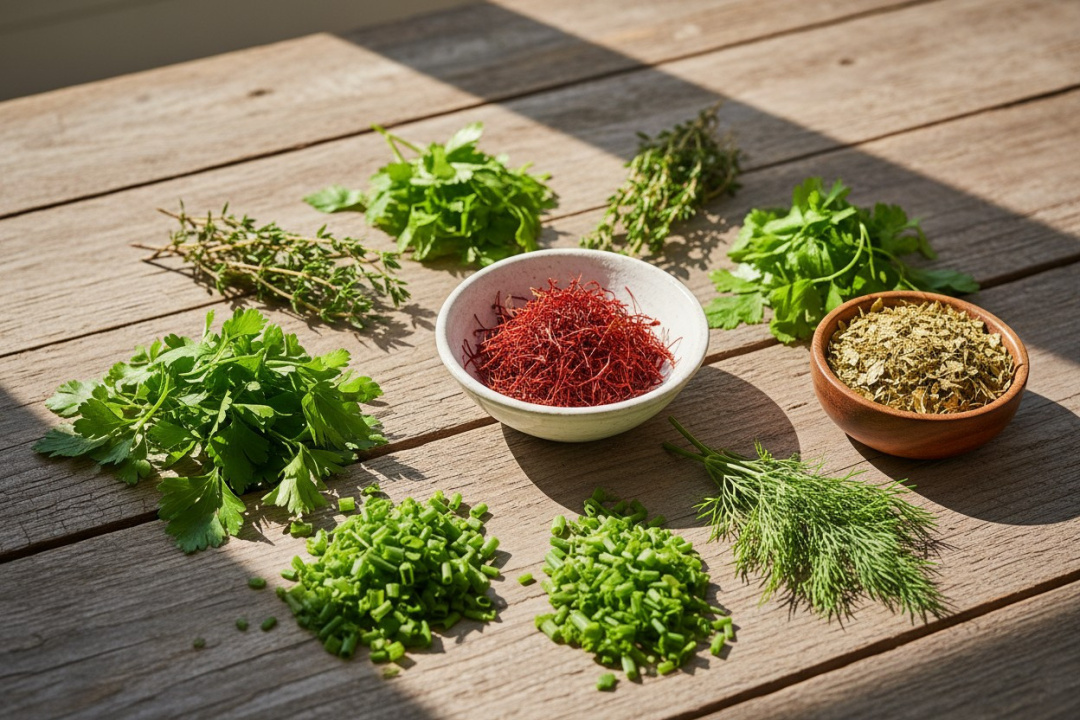
Among the highlighted herbs, freeze-dried chives stand out with a remarkable concentration of 660 milligrams of vitamin C per 100 grams. Dried coriander leaf, commonly known as cilantro, follows closely with 567 milligrams per 100 grams. Chives are not only a source of vitamin C but also contain vitamin A, iron, magnesium, and potassium. Similarly, coriander leaf is noted for its potassium and vitamin K content. Culinary applications for these herbs include pairing chives with potatoes, meats, soups, and dairy-based dips, while cilantro is often used in soups, stews, salads, salsa, and guacamole.
In addition to chives and coriander, the report mentions fresh thyme, which provides 160 milligrams of vitamin C per 100 grams, and fresh parsley, which contains 133 milligrams. Fresh dill weed offers 85 milligrams, and saffron contributes 80.8 milligrams. Thyme is recognized for its antioxidant and antimicrobial properties and has traditionally been utilized in pickling and meat curing. Parsley has also garnered attention for a compound called apigenin, which has been studied for its potential effects on cancer cell growth, as reported in the journal Cancer Letters.
The report emphasizes the historical significance of herbs and spices, which have been used for thousands of years for flavoring, medicinal purposes, and even as dyes. Antioxidants, which are abundant in many herbs and spices, play a crucial role in protecting cells from damage caused by free radicals. Notably, the book "How Not to Die" by Michael Greger highlights the antioxidant capacity of various herbs and spices.
While vitamin C is essential for health, it is important to note that it is water-soluble and can break down during cooking and storage. To minimize the loss of vitamin C, methods such as steaming or microwaving are recommended over boiling or blanching. A review published in the Journal of Food Composition and Analysis indicates that vitamin retention can be affected by heat treatment and storage duration.
The USDA's figures are reported per 100 grams, meaning that a typical pinch or tablespoon of an herb will provide a smaller amount of vitamin C than the full 100-gram value. The report presents herbs and spices as a valuable addition to a balanced diet, contributing to vitamin C intake alongside other food sources. Overall, the findings underscore the nutritional benefits of incorporating these herbs into daily meals, while also highlighting their rich history and diverse culinary uses.