Food Safety Recommendations Amid Cyclospora Outbreak Linked to Lettuce
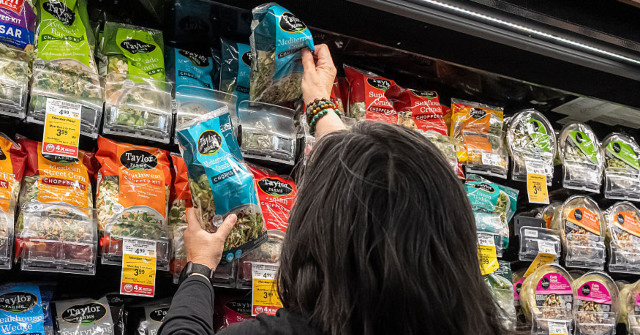
Recent headlines have been dominated by reports of a Cyclospora outbreak, particularly linked to lettuce from a supplier in Central Mexico. The Food and Drug Administration (FDA) has identified this parasite as a significant concern, as it is typically transmitted through contaminated food or water rather than direct person-to-person contact. This makes pinpointing the source of outbreaks particularly challenging. Cyclospora can cause cyclosporiasis, an illness characterized by symptoms such as watery diarrhea, loss of appetite, weight loss, stomach cramps, bloating, nausea, and fatigue. Some individuals may also experience flu-like symptoms, including low-grade fever. Symptoms can last from a few days to a month or longer, and relapses are not uncommon, complicating the recognition of the illness. In response to the outbreak, the FDA has recommended that consumers, restaurants, and stores discard any iceberg or shredded lettuce from Taylor Farms de Mexico. Despite this recall, health officials are actively investigating other possible sources of contamination. As the situation evolves, it is crucial for the public to stay informed through trusted sources. To minimize risk during this outbreak, it is advisable to avoid high-risk fresh produce, including bagged or shredded lettuce, salad mixes, fresh herbs, raspberries, and snow peas. For safer alternatives, cooking fruits and vegetables to an internal temperature of at least 158 degrees Fahrenheit can effectively kill the Cyclospora parasite. Additionally, opting for canned or frozen produce can reduce the risk compared to fresh items. Simple food safety practices, such as washing hands thoroughly before handling food and avoiding recalled products, are essential in protecting health during this time. While public health officials continue their investigation, staying informed and following food safety recommendations can help reduce the risk of illness and safeguard personal and family health.