The Ancient Mediterranean Diet: A Focus on Bread Over Modern Staples
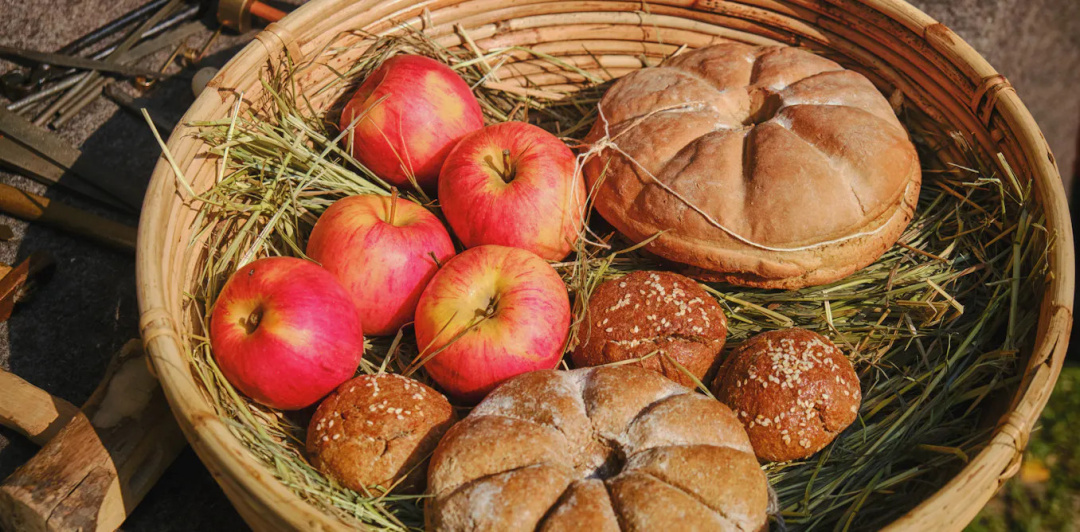
The Roman emperor Julian (332–363 CE) regarded bread as the most nourishing food available, highlighting its central role in the ancient Mediterranean diet. This diet was primarily based on bread and other cereal-based foods, supplemented by pulses, oil, wine, and seasonal produce. However, this contrasts with the modern Mediterranean diet, which emphasizes vegetables, olive oil, and grilled fish. While bread was fundamental in Julian's time, it was not universally embraced; for instance, the Ethiopians, who relied on meat and milk, found it unappealing and lacking in nourishment.
The physician Galen (129–216 CE) provides a comprehensive account of the ancient Mediterranean diet in his work, On the Properties of Foodstuffs. He categorizes food into cereals and pulses, plants, and animal products, noting that wheat was the most valued food. Bread was more than just a side dish; it constituted the bulk of many meals. Galen differentiated between types of bread, stating that the finest white bread was the most nourishing, while bran bread was less desirable, although it was believed to aid digestion.
Preparation methods also played a crucial role in the quality of bread. Galen emphasized that the best bread was well-leavened and kneaded, baked at moderate temperatures. He warned against excessively hot ovens that could produce a dry crust while leaving the inside raw. His personal experience with poorly prepared grains underscored the importance of proper processing, as he and his companions suffered from indigestion after consuming boiled whole grains instead of bread.
Fruits and vegetables were part of the ancient diet, with Galen mentioning items like lettuce, cabbage, onions, and various fruits. However, he did not always view them as essential components of a healthy meal, as many plants were valued for their medicinal properties rather than their nutritional content. In some cases, a plant-heavy diet was indicative of poverty rather than a healthy choice, as seen in Galen's remarks about oats being fit for animals rather than humans unless in dire circumstances.
Pulses, including lentils and chickpeas, were more significant in ancient diets than contemporary Mediterranean cuisine suggests. Galen noted an Alexandrian physician who thrived on a diet primarily of pulses, seasoned with fish sauce, revealing a blend of ancient dietary practices that may seem modern today. Fresh fish, while part of the diet, was not universally accessible and could be costly, depending on location and wealth. Contaminated fish from polluted waters further complicated its availability.
The Greek writer Athenaeus, writing around 200 CE, illustrated the regional variations in food availability and preferences. His accounts of a dinner party reveal that dietary habits were heavily influenced by local resources and economic status. For example, seafood was plentiful and affordable in some regions, while in others, it was a luxury item. Athenaeus even shared a recipe that included fish prepared with cheese and oil, contrasting with today’s healthier image of grilled fish.
In conclusion, the ancient Mediterranean diet was diverse and complex, heavily reliant on bread and cereals, with variations based on wealth and geography. The modern interpretation of the Mediterranean diet, which highlights olive oil, vegetables, and seafood, is a selective reconstruction that overlooks the significant role of bread and cheese in ancient diets. This historical perspective invites a deeper understanding of how dietary practices have evolved and the factors that have shaped our current views on nutrition.