Proposed Changes to GRAS Regulations Aim to Increase Food Safety Oversight
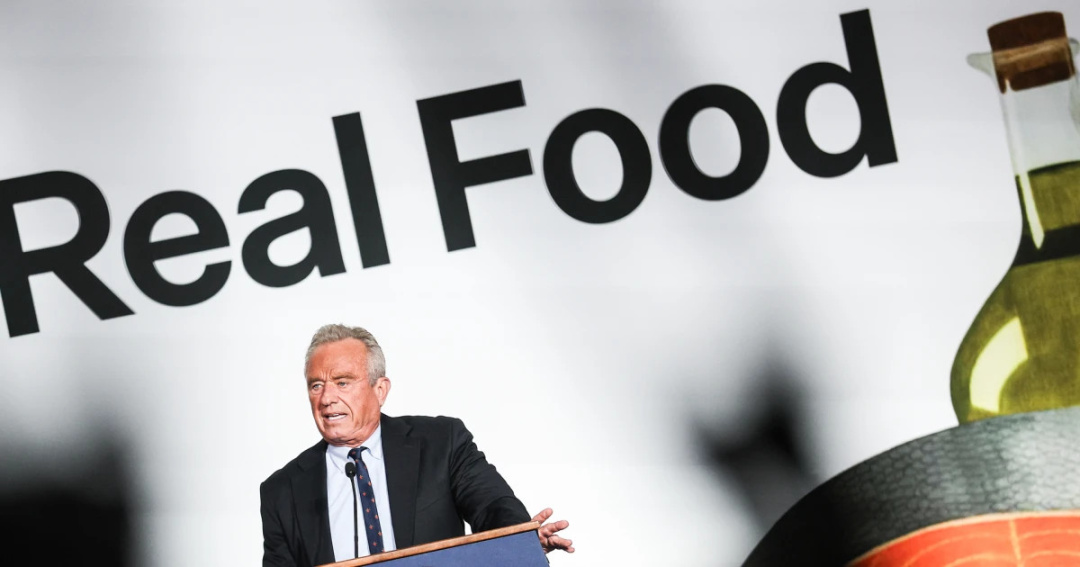
The Trump administration has initiated proposed changes aimed at strengthening the oversight of food additives that companies have historically added to products with minimal regulatory scrutiny. Announced on Monday, the new rule would require manufacturers to notify the Food and Drug Administration (FDA) when they classify certain additives as Generally Recognized as Safe (GRAS) and to provide information about existing additives in their products.
Despite this development, critics, including public health experts and food scientists, have expressed concerns that the proposal does not go far enough. They argue that it fails to prevent manufacturers from introducing new ingredients into food products and does not address the thousands of additives already permitted in the food supply. The GRAS designation, established in the 1950s, was intended to streamline the use of common ingredients and reduce the burden on the FDA. However, it has been criticized for allowing companies to introduce numerous unstudied chemicals without adequate oversight, potentially jeopardizing public health.
Dr. Dariush Mozaffarian, director of the Food Is Medicine Institute at Tufts University, highlighted that the GRAS exemption has become a loophole, with many substances being submitted without proper public disclosure or safety information. He pointed out that while the new rule mandates companies to notify the FDA about their GRAS determinations, it still allows them to self-affirm the safety of their ingredients without stringent requirements.
Alyssa Moran, deputy director of the Center for Food and Nutrition Policy at the University of Pennsylvania, noted that the proposed rule lacks a clear timeline for when companies must notify the FDA after introducing new ingredients. This means that companies could potentially add new substances to their products and delay notifying the FDA, which could mislead consumers about the safety of these ingredients.
Jennifer Pomeranz, an associate professor at New York University, acknowledged the proposed rule as a significant first step but emphasized the need for more comprehensive data requirements regarding existing ingredients in the food supply. She stressed that merely naming an ingredient and its uses is insufficient for ensuring safety.
Stephanie Harris, chief public policy officer for the Food Industry Association, remarked that while the GRAS proposal is a positive development, it highlights the limitations of the FDA's authority in implementing such reforms. She urged Congress to establish a uniform, science-based framework for ingredient transparency that would enhance the FDA's role and provide clarity for consumers and the food industry.
Additionally, during the media event, Robert F. Kennedy Jr. announced that a federally recognized definition for ultraprocessed foods is under final review, although no timeline was provided for its public release. The proposed changes to GRAS regulations reflect ongoing discussions about food safety and the need for improved oversight in the food industry.