Community-Centered Actions Address Climate Change Impacts on Health in Kiribati
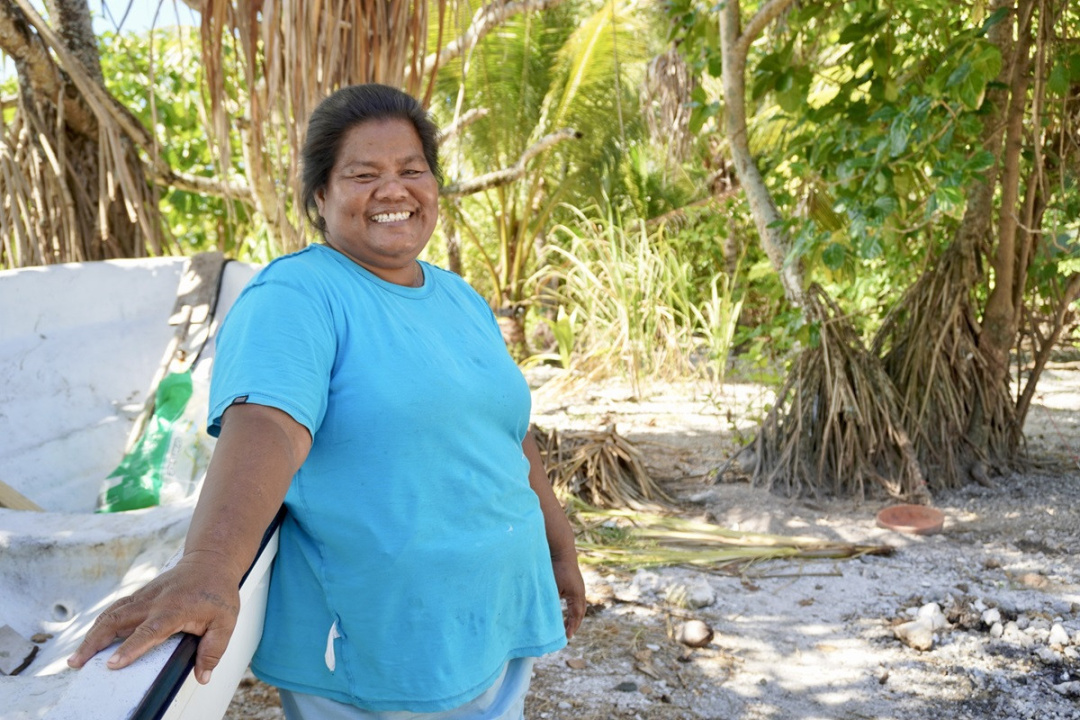
On Marakei Island in Kiribati, residents are grappling with the severe impacts of climate change on their health and well-being. The island, which is only 800 meters wide at its broadest point, is experiencing increasingly severe droughts, rising sea levels, and king tides that lead to flooding and coastal erosion. These environmental changes threaten the island's fragile freshwater resources and the ability to cultivate local food, directly affecting community health and nutrition.
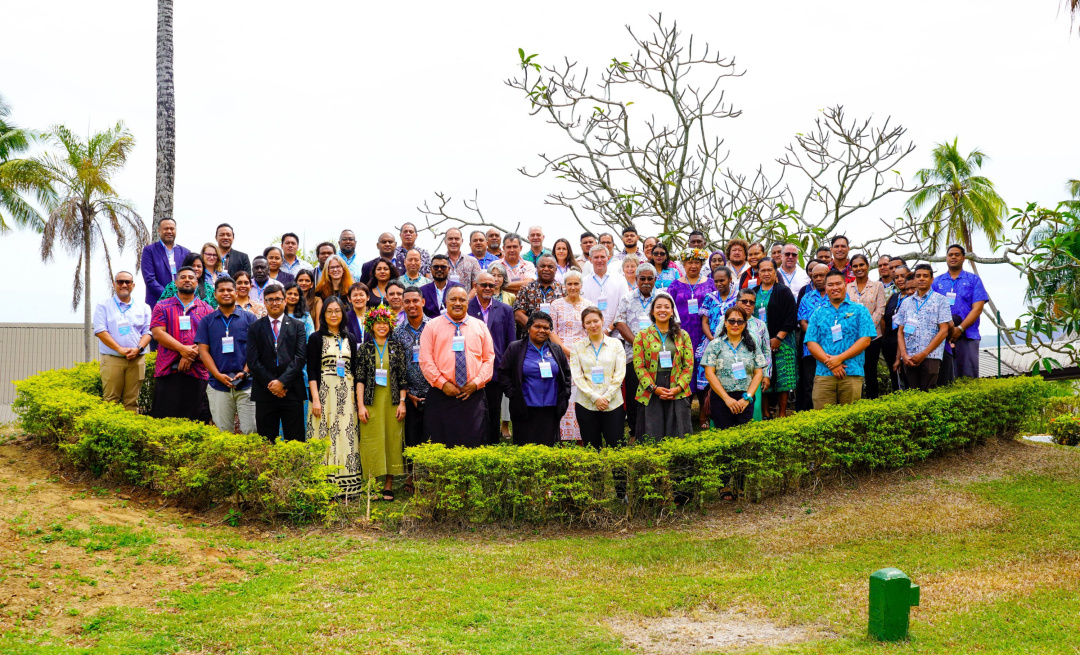
To address these challenges, the Kiribati Ministry of Health and Medical Services (MHMS) is collaborating with the World Health Organization (WHO) to engage local communities in developing adaptive strategies. A recent three-day workshop, led by Reverend Tasiuta Erona Tarakabu from the Live and Learn Environmental Education Society, focused on climate-sensitive health risks and practical solutions. Topics discussed included water access and safety, sanitation, food security, and preparedness.
Reverend Tarakabu emphasized the importance of community involvement, stating, "People in Kiribati are already witnessing the effects of climate change. The workshop created an opportunity for people to share their observations, learn from one another, and explore actions they can take to adapt. The solutions come from the community itself, using their knowledge and a shared commitment to protecting health and wellbeing."
For residents like Kamauree Nimatu from Rawannawi village, the discussions brought the realities of climate change into sharp focus. As a father, he worries about the future for his children and the sustainability of the island's natural resources. The workshop provided him with insights into the environmental changes affecting his community and inspired him to take action. Following the training, Kamauree planted pandanus trees around his home to enhance local food security and resilience. The pandanus tree is vital for the community, providing food, materials for construction and weaving, and helping to stabilize soil against erosion.
Access to safe drinking water remains the most pressing issue for households on Marakei. Community members received training in water, sanitation, and hygiene (WASH), which included hands-on experience with mobile water testing kits and methods for well maintenance. Kaitaake Tekaie, a member of Tekarakan village’s water committee, highlighted the importance of protecting water sources, especially as king tides threaten to inundate freshwater supplies.
These community-led adaptation efforts are part of a multi-year project funded by the Korea International Cooperation Agency (KOICA), which aims to strengthen health systems and improve population health in Kiribati, particularly on outer islands like Marakei. By focusing on local knowledge and community engagement, these initiatives are fostering resilience against the growing impacts of climate change, ensuring that the health and nutrition of residents are prioritized in the face of environmental challenges.