Study Reveals Ketamine Alters Brain Structures in Female Mice Only
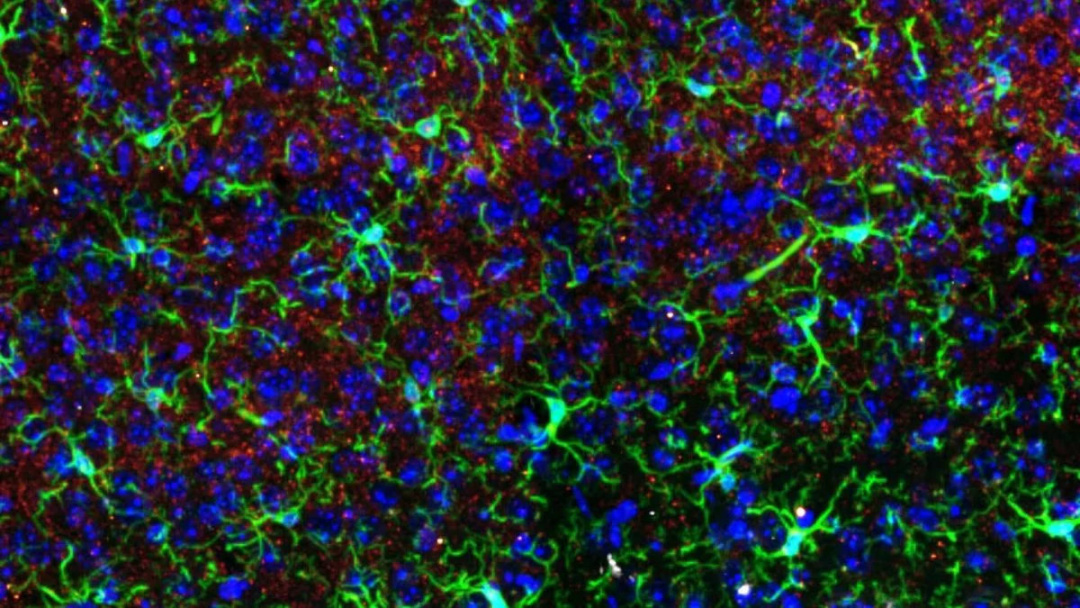
Anesthesia's effects remain a complex mystery, despite its long clinical history. A new study published in Science Advances sheds light on this topic, revealing that ketamine anesthesia leads to significant changes in brain structures, but notably only in female mice. The study, led by neurobiologist Sandra Siegert from the Institute of Science and Technology Austria (ISTA), highlights unexpected findings regarding the sex-specific effects of ketamine. Researchers discovered that after administering ketamine, microglia—the immune cells of the nervous system—engaged more with neurons in female mice, promoting synapse formation and brain plasticity. This process appears to facilitate recovery during the post-anesthesia period, which can last up to 48 hours. The research team utilized a cranial window to observe these brain changes in real-time, noting that microglia began to establish more connections with neurons about an hour after ketamine administration in females. Interestingly, when the mice were fed a special diet prior to anesthesia, it significantly reduced microglial density, preventing the expected effects of ketamine. Further analysis of nearly 37,000 brain cells revealed a specific gene-hormone interaction, with corticosterone levels rising during recovery from anesthesia. In females, this hormone activates the stress-response gene Fkbp5 in microglia, which is crucial for managing stress signals and facilitating interactions with neurons. The research also explored the role of adrenal glands in this process, finding that removing them dampened microglial activity, which could be restored by injecting corticosterone. The reasons behind the absence of similar adaptational responses in male mice remain unclear, leading researchers to speculate that they may employ different strategies for brain remodeling. This study raises important questions about the implications of ketamine's effects on brain plasticity, particularly in the context of its use in treating conditions like depression. Previous studies have indicated that females may experience different side effects from ketamine anesthesia, such as increased nausea. Understanding these sex-dependent differences is crucial for optimizing treatment strategies. The findings underscore the need for further research into how ketamine and similar drugs affect brain function differently in males and females, particularly as they relate to therapeutic applications. This study was published in Science Advances and highlights the importance of considering sex differences in clinical research and treatment protocols.