Peaches and Their Carotenoid Content: Eye and Skin Health Benefits Explored
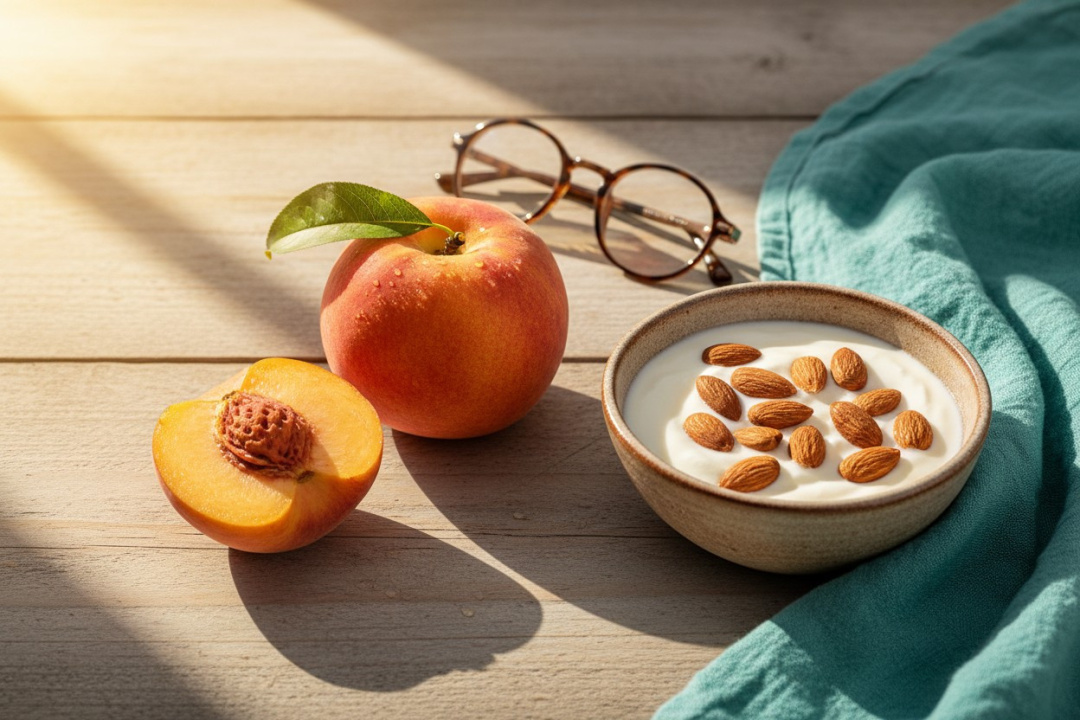
Peaches, originating from mainland China and now enjoyed globally, belong to the Prunus genus, which includes other stone fruits like cherries, apricots, plums, and nectarines. A medium peach weighing 150 grams is noted to contain significant amounts of beta-carotene, lutein, zeaxanthin, vitamin C, fiber, copper, niacin, and polyphenols. Yellow-fleshed varieties typically have higher carotenoid levels compared to white-fleshed peaches, with the peel containing the highest concentration of polyphenols.
Carotenoids, including alpha-carotene, beta-carotene, lutein, zeaxanthin, cryptoxanthin, and lycopene, are pigments that contribute to the health of skin and eyes as individuals age. Dr. Krishna Surapaneni, a board-certified ophthalmologist, emphasizes that peaches provide three essential nutrients that the eye utilizes. Beta-carotene, a precursor to vitamin A, is crucial for the function of the retina's light-sensing cells, and a deficiency in vitamin A can lead to severe vision issues, including night blindness. Vitamin A deficiency ranks as a leading cause of blindness worldwide, second only to accidents.
Lutein and zeaxanthin are concentrated in the macula of the eye, where they filter harmful blue light and act as antioxidants. Surapaneni points out that the strongest evidence regarding carotenoids and aging vision comes from the National Eye Institute's AREDS and AREDS2 trials, which studied the effects of these nutrients on eye health.
Research indicates that women who consume at least one serving of canned or dried peaches weekly may experience a 47% lower risk of glaucoma compared to those who eat fewer than one serving per month. Surapaneni notes that while no single food can prevent eye disease, a colorful, whole-food diet, including peaches, can benefit the retina, which is highly metabolically active.
In addition to eye health, peaches are recognized for their potential skin benefits. Dermatologist Dr. Debra Jaliman explains that dietary carotenoids can accumulate in the skin, providing photoprotection by absorbing UV rays. However, she cautions that the protective effects of carotenoids are not a substitute for sunscreen. Currently, there are no clinical trials that have directly tested whether consuming peaches can protect skin from UV damage; most evidence is derived from studies on carotenoid classes rather than peach-specific research.
Animal studies have shown that peach flower extracts rich in polyphenols can protect against UV-induced skin aging by reducing oxidative stress and inflammation. Other research has suggested that peach-derived glucosylceramide may enhance skin hydration and texture.
Peaches are also linked to cancer prevention. A study following nearly 76,000 postmenopausal women found that those consuming at least two servings of peaches or nectarines weekly had a 41% lower risk of estrogen-negative breast cancer. Additionally, laboratory studies have indicated that polyphenol extracts from peaches can inhibit the growth of breast cancer cells.
While peaches are packed with beneficial compounds, they also contain amygdalin in their pits, which can convert to hydrogen cyanide if the pits are crushed or chewed. Furthermore, peaches are a common allergen and may cause reactions such as oral allergy syndrome. Consumers are advised to wash peaches thoroughly and choose organic options when possible, as commercially grown peaches often appear on the Environmental Working Group's "Dirty Dozen" list due to pesticide residues.
Experts agree that the carotenoids in peaches are valuable for eye health, and their dietary intake can contribute to skin health as well. Peaches can be enjoyed raw, paired with yogurt or nuts to enhance nutrient absorption, or cooked quickly to preserve their nutritional value. For optimal storage, ripe peaches should be kept in the refrigerator crisper for three to five days, while unripe peaches should be stored at room temperature. Overripe peaches can be frozen for up to 12 months. Jamie Simpson, executive chef at the Culinary Vegetable Institute, suggests that peaches should be enjoyed at room temperature for the best flavor experience.