RFK Jr. Proposes New Regulations for Food Ingredient Oversight
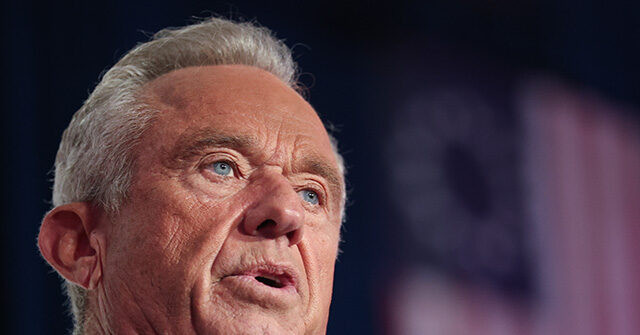
Health and Human Services Secretary Robert F. Kennedy Jr. has announced two significant policy changes aimed at modernizing the oversight of food ingredients, as part of the Trump administration's Make America Healthy Again (MAHA) agenda. Kennedy emphasized the importance of transforming food systems to tackle chronic disease in America, highlighting that nearly 60 percent of the American diet consists of ultra-processed foods, with this figure rising to 70 percent for children. He pointed out the alarming statistics regarding obesity, stating that over one in five American children are affected, and more than 70 percent of adults are either obese or overweight.
The first major proposal involves requiring manufacturers to notify the U.S. Food and Drug Administration (FDA) when they determine that a substance added to human or animal food is Generally Recognized as Safe (GRAS). This change aims to enhance transparency and oversight by ensuring that the FDA is informed about the substances entering the food supply. Currently, since the GRAS exemption was established in 1958, manufacturers have been able to make these determinations independently without mandatory notification to the FDA, which has limited the agency's visibility into food safety.
Kennedy stated, "We’re proposing a rule that would end the practice of companies making GRAS determinations without notifying the FDA. This proposal will give the agency greater visibility into the substances that are entering our food supply." The new regulations would modernize the existing framework by making GRAS notifications mandatory and expanding the public inventory of submitted notices, thereby improving transparency and strengthening the FDA's oversight capabilities.
In addition to the GRAS notification requirement, Kennedy announced the submission of the federal government’s first definition of ultra-processed foods for final review. He argued that these actions would fundamentally change how the federal government oversees food content and how Americans understand what they are consuming. Kennedy remarked, "Parents should not need a chemistry degree to understand what their children are eating. Americans deserve real transparency. They deserve real food."
Kennedy's statements underscore a broader concern about the health implications of dietary choices in America, where significant healthcare expenditures are directed towards managing chronic diseases, many of which he attributes to poor dietary habits. He concluded by reiterating the need for systemic changes in food regulation to combat the chronic disease epidemic effectively.