Research Highlights Health Benefits of Pistachios for Digestion and Heart Health
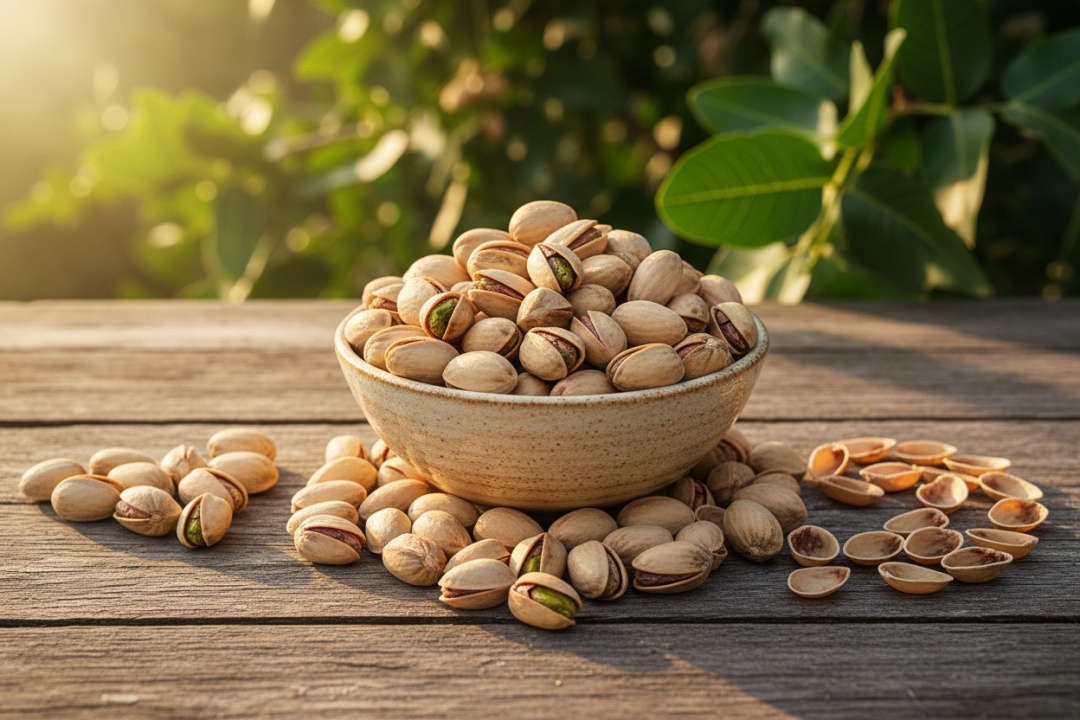
Pistachios, the seeds of the desert plant Pistacia vera, have been recognized for their health benefits, particularly in relation to digestion, heart health, cognitive function, and metabolic processes. Originating in the Middle East, these seeds have been consumed for thousands of years and became popular in the United States in the 1880s, with Southern California deserts now producing 98% of domestic pistachios. Modern reports classify pistachios as nutrient-dense, packed with antioxidants, fiber, and protein, along with healthy fats such as oleic and linoleic acid. According to registered dietitians, pistachios rank among the top five healthiest nuts due to their omega-3 content, fiber, protein, and mineral density.
The human gut contains trillions of microbes that play essential roles in digestion, immune function, and mental health, and diet significantly influences the balance of these microbes. Pistachios are particularly rich in fiber, which not only aids in digestion but also promotes the growth of beneficial bacteria, thereby enhancing microbiome diversity. Laboratory studies have shown that extracts from various parts of the pistachio plant exhibit antimicrobial properties against several harmful bacteria and fungi.
A randomized controlled crossover feeding study involving 28 adults with high cholesterol revealed that diets enriched with pistachios led to a significant reduction in oxidized LDL cholesterol levels compared to a standard diet without pistachios. Participants on the pistachio diet also showed increased levels of lutein, a carotenoid beneficial for eye health. Additionally, the consumption of nuts, including pistachios, is associated with improved cholesterol balance, as they help lower LDL cholesterol while raising HDL cholesterol levels.
Experts emphasize that the combination of omega-3 fatty acids, protein, and fiber in nuts like pistachios can promote satiety, helping to suppress appetite. A systematic review has indicated that regular consumption of pistachios may also aid in weight management and improve blood glucose levels, particularly in individuals with prediabetes or type 2 diabetes.
Research from Penn State highlighted that nightly consumption of pistachios could positively alter gut bacteria in prediabetic individuals, suggesting a proactive dietary strategy for managing blood sugar levels. Furthermore, biochemical analyses of pistachios have shown a high fat content, primarily from healthy unsaturated fats, which are beneficial for overall health.
Incorporating pistachios into meals can be simple and delicious, as they can be added to various dishes, enhancing both flavor and nutritional value. Overall, the available research underscores the potential health benefits of pistachios, making them a valuable addition to a balanced diet, provided they are consumed in moderation and with consideration for individual dietary needs.