Study Evaluates Ketogenic Effects of Milk Protein-Coated Medium-Chain Triglycerides
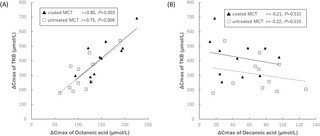
A clinical trial investigated the ketogenic effects of milk protein-coated medium-chain triglycerides (MCTs) in healthy adults. Medium-chain triglycerides are known for their potential to improve cognitive and physical functions due to their rapid metabolism and conversion into ketone bodies. The study hypothesized that coating MCT microparticles with protein could enhance their absorption in the intestines and improve their ketogenic effects. In this randomized, double-blind, crossover study, participants ingested either 6 grams of coated MCT or untreated MCT, and their blood levels of ketone bodies and medium-chain fatty acids were measured over a six-hour period.
The primary outcome, which was the area under the curve of total ketone bodies (TKB), did not show a significant difference between the coated and untreated MCTs (P > 0.05). However, secondary outcomes revealed that the maximum concentrations of TKB, β-hydroxybutyrate, acetoacetate, and octanoic acid were significantly higher in the coated MCT group compared to the untreated group (P < 0.05). Additionally, a positive correlation was found between TKB levels and octanoic acid (P < 0.05). Both types of MCTs resulted in mild gastrointestinal symptoms, with no significant differences observed between the two groups (P > 0.05).
These findings suggest that milk protein-coated MCTs may enhance the ketogenic effect while being safely consumed, which could have implications for developing new ketogenic therapeutic strategies. The study was conducted under strict ethical guidelines and was approved by the appropriate review committees. It involved a crossover design to minimize variability, with participants being monitored for gastrointestinal symptoms and other health parameters throughout the trial.
The study's results contribute to the understanding of how modifications to MCTs can potentially improve their efficacy in ketogenic diets, which are increasingly popular for weight management and cognitive health. Future research may explore the long-term effects and practical applications of these findings in dietary practices.