Pig Pituitary Gland Adaptation Mechanisms to High-Altitude Hypoxia Revealed
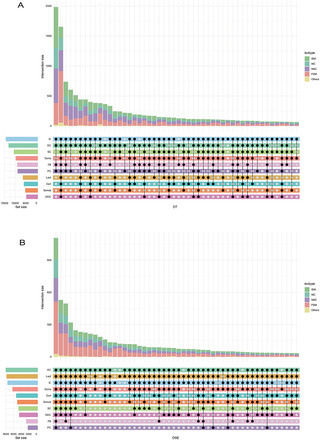
The pituitary gland plays a critical role as the central endocrine hub, coordinating growth, metabolism, and reproductive functions. A recent study published in PLOS Genetics investigated how this gland adapts to high-altitude hypoxia, particularly in Diqing Tibetan pigs, which live at altitudes of approximately 3,200 meters, compared to Diannan small-ear pigs from low-altitude regions at around 500 meters. By employing both short-read and long-read single-cell sequencing techniques, researchers created a comprehensive single-cell atlas of the pituitary glands from these two pig breeds. This approach allowed for a detailed examination of the cellular composition and transcriptional dynamics within the pituitary gland under hypoxic conditions. The study profiled 27,339 single cells and identified 28,932 expressed genes, revealing significant insights into the molecular mechanisms that facilitate adaptation to low-oxygen environments. The researchers utilized unsupervised clustering and marker-based annotation to classify the cells into ten distinct types, confirming the accuracy of their classifications through immunofluorescence validation of twenty canonical marker genes. Gene ontology enrichment analysis indicated that genes upregulated in response to hypoxia were primarily associated with oxidative metabolism and energy production, while downregulated genes were linked to protein biosynthesis and translation processes. This suggests a functional reprogramming of metabolic pathways in response to hypoxic stress. Additionally, the study highlighted notable shifts in cell-to-cell communication and identified several transcription factors, such as EBF3, DBX2, and TCF21, that may play pivotal roles in altitude-associated adaptation. The integration of long-read sequencing data also uncovered a significant diversity of transcript isoforms, with approximately 28% of annotations being novel, indicating a complex regulatory landscape within the pituitary gland. Overall, this research provides a valuable resource for understanding the cellular and molecular adaptations of the porcine pituitary gland to high-altitude environments, emphasizing the importance of single-cell transcriptomics in revealing the intricacies of endocrine responses to environmental stressors.














