Daniel Lieberman Explores Dietary Evolution: Keto vs. Veganism

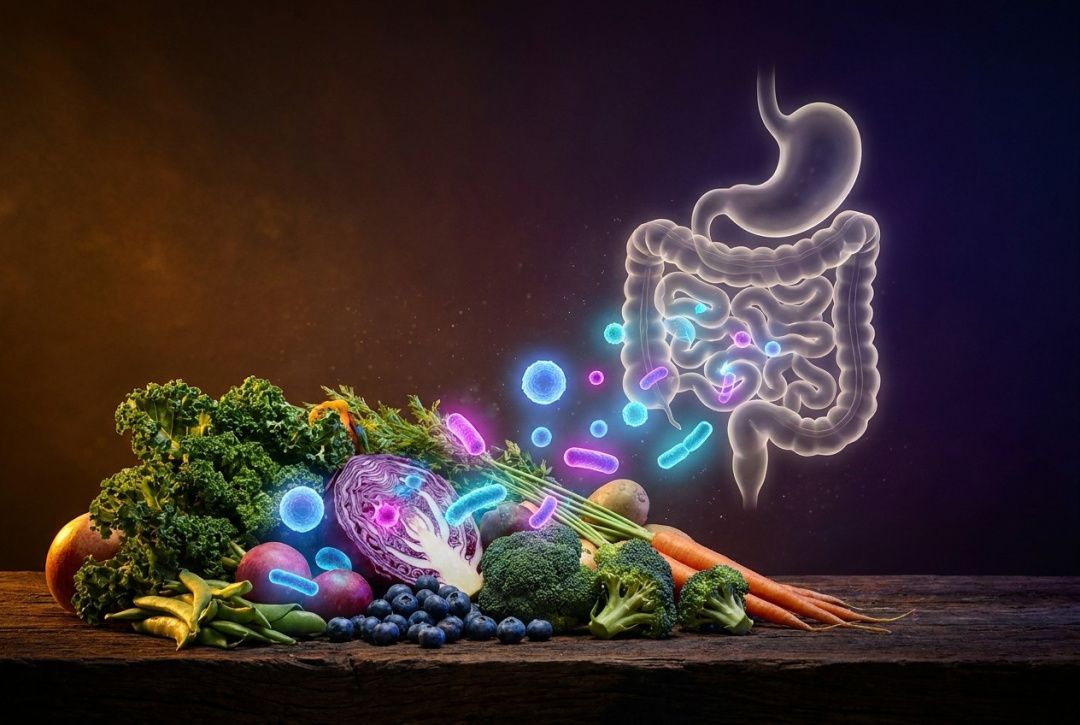
In his recent book "Fed Up: What Evolution Reveals about Food, Diet, Health, and Eating Well," evolutionary biologist Daniel Lieberman delves into the complexities of human dietary evolution, particularly contrasting the ketogenic and vegan diets. He recounts the experience of pop star James Blunt, who, in an attempt to assert his masculinity, adopted a diet consisting solely of minced beef, chicken, and mayonnaise. This approach led to health issues, including symptoms of scurvy, illustrating the potential dangers of neglecting plant-based foods. Lieberman notes that while meat provides essential amino acids and some vitamins, it lacks dietary fiber, which is crucial for gut health and overall well-being. Fiber not only aids digestion but also supports a healthy microbiome, which is vital for nutrient absorption and metabolic health. The absence of fiber in carnivore diets can lead to significant health concerns, as studies indicate that such diets can drastically alter the microbiome and reduce beneficial microbial populations. Furthermore, Lieberman highlights the importance of phytochemicals found in plants, which offer various health benefits, including antioxidant properties and anti-inflammatory effects. He acknowledges that while saturated fat from meat may not be as harmful as once believed, it is generally healthier to consume unsaturated fats. Lieberman also addresses the inflammatory responses triggered by compounds found in red meat, which can contribute to chronic health issues. He emphasizes that while meat has played a critical role in human evolution, a balanced diet that includes both animal and plant foods is essential for long-term health. The book discusses the nutritional challenges faced by vegetarians and vegans, particularly concerning protein intake and essential nutrients like vitamin B12, omega-3 fatty acids, and iron. Lieberman reassures that with careful planning, plant-based diets can be nutritionally adequate, but he warns of the potential health risks associated with deficiencies. He cites research indicating that vegetarians and vegans tend to have lower risks of certain diseases, including cardiovascular issues and diabetes, but also notes the increased risk of anemia and other health concerns linked to nutrient deficiencies. Ultimately, Lieberman concludes that while our ancestors thrived on a varied diet that included meat, modern dietary choices should reflect a balance that promotes health and longevity. This exploration of dietary evolution serves as a reminder of the importance of understanding our nutritional needs in the context of our evolutionary history.