Trump Administration Aims to Improve School Nutrition with Whole Foods Initiative
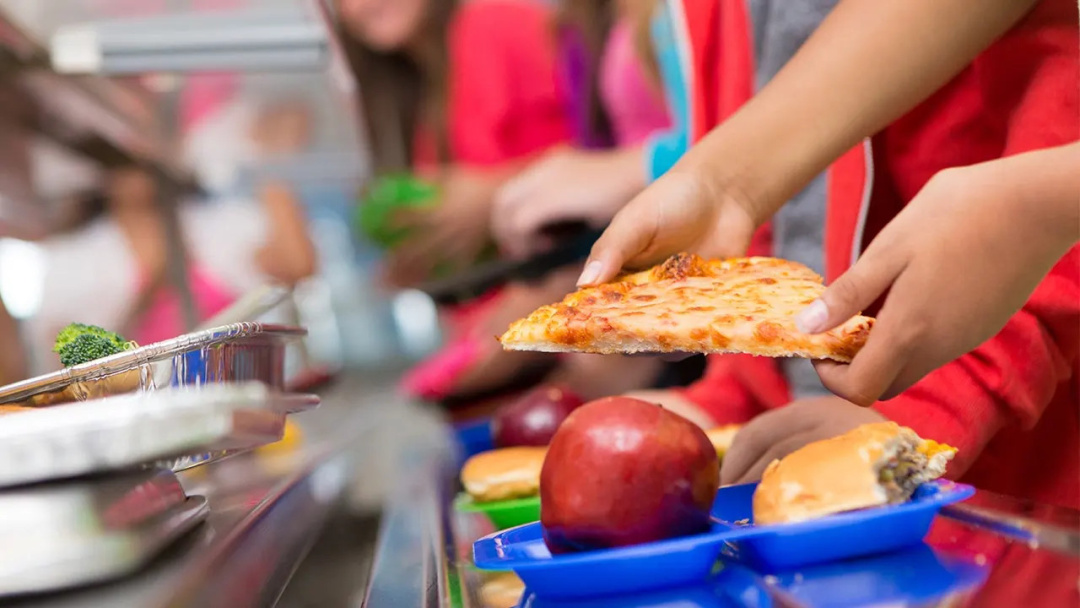
The Trump administration is taking significant steps to improve the nutritional quality of school lunches across the United States. As part of its initiative to Make America Healthy Again, the administration is emphasizing the importance of whole, nutrient-dense foods in children's diets. This initiative is in response to alarming health trends, as reported by the Centers for Disease Control, which indicate that over 75% of adults in the U.S. have at least one chronic health condition, and children's health has also worsened over the past two decades due to poor nutrition.
To address these issues, the U.S. Department of Agriculture (USDA) and the U.S. Department of Health and Human Services have jointly released the 2025–2030 Dietary Guidelines for Americans. These guidelines are based on extensive nutrition research and aim to promote health at all life stages by encouraging the consumption of real food. The initiative seeks to combat the negative effects of highly processed foods, which can contribute to health problems and hinder the development of children.
One of the notable changes under this initiative is the reintroduction of whole milk to school lunches for the first time in over a decade. This move is part of a broader strategy to provide children with wholesome, minimally processed foods that can support their growth and development. The administration is collaborating with states and local school districts to implement these guidelines effectively, encouraging schools to serve healthier options.
Moreover, the USDA's Farm to School Grant Program has awarded nearly $20 million to support the integration of local foods into school meals. This program aims to strengthen the connection between schools and local agriculture, benefiting both children's health and rural economies. By facilitating partnerships between farmers and schools, the initiative aims to enhance the quality of meals served to children and promote local food systems.
For instance, the Powered by Protein project will enable schools to source local beef, pork, and poultry, thereby supporting local producers while providing nutritious options for students. These projects highlight the importance of a collaborative approach to improving school nutrition, demonstrating that healthy meals are not just about what is on the lunch tray but also about fostering a sustainable agricultural economy.
Overall, the Trump administration's efforts to enhance school lunches reflect a commitment to improving public health through better nutrition. By prioritizing whole foods and supporting local agriculture, this initiative aims to create a healthier future for American children and strengthen community ties.