Reframing Type 2 Diabetes Prevention: Focus on Prediabetes Remission
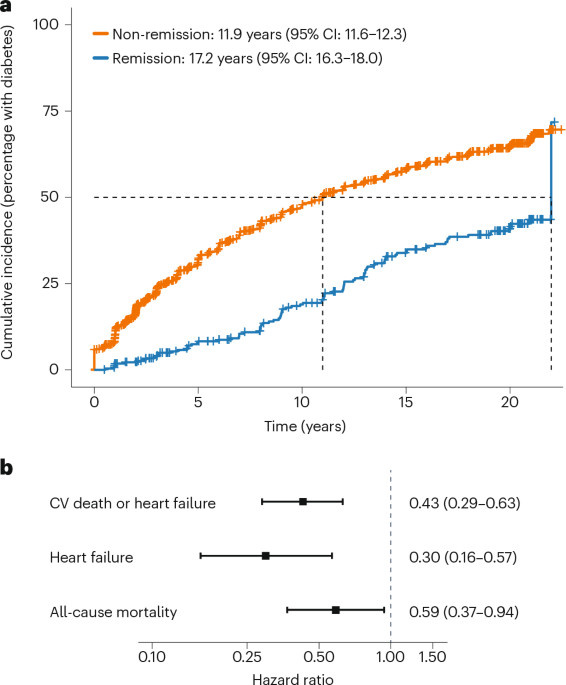
Recent discussions in diabetes research suggest a significant shift in the approach to preventing Type 2 diabetes (T2D). Traditionally, prevention efforts have concentrated on intervening once dysglycemia, or impaired glucose regulation, is already established. However, a new perspective advocates for a proactive focus on achieving prediabetes remission as a primary prevention strategy. The goal is to preserve and restore normoglycemia, which is considered the optimal clinical outcome.
The transition from normoglycemia to T2D is not abrupt but rather a gradual process influenced by a combination of biological, behavioral, and environmental factors throughout an individual's life. This means that prediabetes, characterized by intermediate hyperglycemia, presents a practical and measurable target for prevention efforts. The authors of this new framework propose a life-course risk architecture that integrates various determinants—developmental, transitional, and contextual—that contribute to metabolic vulnerability.
Critical windows of opportunity for intervention are identified, highlighting the importance of timely and context-specific actions that can lead to the restoration of normoglycemia. The concept of precision prevention is emphasized, targeting the diverse mechanisms that contribute to diabetes risk, with interventions designed to be scalable, affordable, and adaptable across different socioeconomic contexts.
In their framework, the authors outline ten priorities for T2D prevention that move beyond conventional methods. These priorities aim to implement actionable interventions early in life, potentially altering the disease's natural history and promoting metabolic health. This approach not only seeks to mitigate the progression to diabetes but also aims to improve overall health outcomes by addressing the underlying factors contributing to metabolic disorders.