Research Highlights Canals' Role in Cooling Urban Areas During Heatwaves
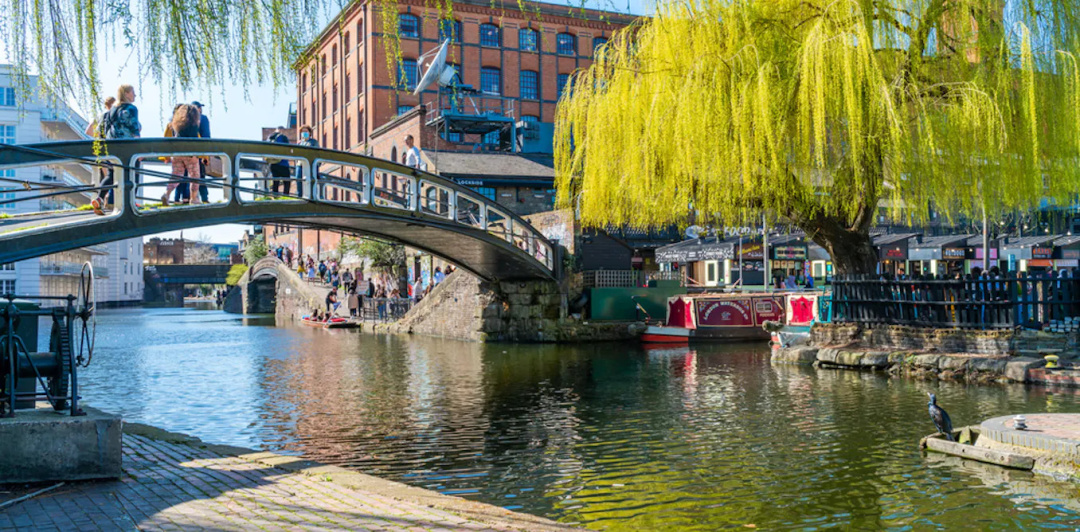
Recent research has shown that canals in Great Britain and Ireland can significantly cool their surrounding neighborhoods, particularly during heatwaves. The study found that the cooling effect can extend up to 50 meters from the banks of the canals, with a notable temperature reduction of more than 2°C during peak heat periods. This finding is particularly relevant as urban areas face increasing temperatures due to climate change. The research emphasizes that while canals are a common feature in many UK and Irish cities, their potential to mitigate urban heat has not been fully recognized until now.
The study utilized a model that simulated the changing water temperatures of canals throughout the year and assessed how these temperatures interact with the surrounding air. This comprehensive analysis included 68 canals and focused on the year 2022, which was marked by extreme temperatures, including the UK's highest recorded temperature of 40.3°C. The cooling effect of canals was found to be most pronounced in spring and early summer, averaging a reduction of approximately −1.2°C to −1.4°C, while at night, canals tended to warm their surroundings slightly by about +0.2°C.
The implications of these findings are significant for public health and urban planning. Even minor reductions in temperature can enhance the health and wellbeing of urban residents, especially vulnerable populations. The Canal and River Trust estimates that the economic benefits from reduced labor productivity losses due to heat could amount to £14.4 million annually. Additionally, the cooling effect of canals can encourage active travel, such as walking and cycling, which may lead to lower carbon dioxide emissions and reduced reliance on air conditioning.
Natural urban spaces like canals also provide essential ecosystem services, contributing to biodiversity and flood protection, valued at an estimated £17.6 billion to the UK economy each year. The accessibility of these waterways is crucial for the physical and mental health of the population, with approximately 6.2 million people living within a 1km radius of urban canals.
The study highlights the direct benefits of lower temperatures during heatwaves, including improved thermal comfort. However, it also notes that increased humidity can offset some of these advantages. The extreme heat events of May and June 2026, which resulted in over 2,700 excess deaths in England and Wales, underscore the urgency of adapting urban environments to new climate realities. With projections suggesting that 92% of existing homes could overheat under a 2°C global warming scenario by 2050, the role of canals in urban design becomes increasingly critical.
While green spaces have been recognized for their cooling effects, the specific impacts of blue spaces like canals are less understood. The study emphasizes that the characteristics of waterways and their surrounding environments significantly influence their cooling capabilities. As cities continue to grapple with rising temperatures, the findings of this research advocate for the integration of canals into urban planning strategies to create cooler, more livable environments for all residents.