Study Links Plant Diversity in Diet to Changes in Gut Bacteria
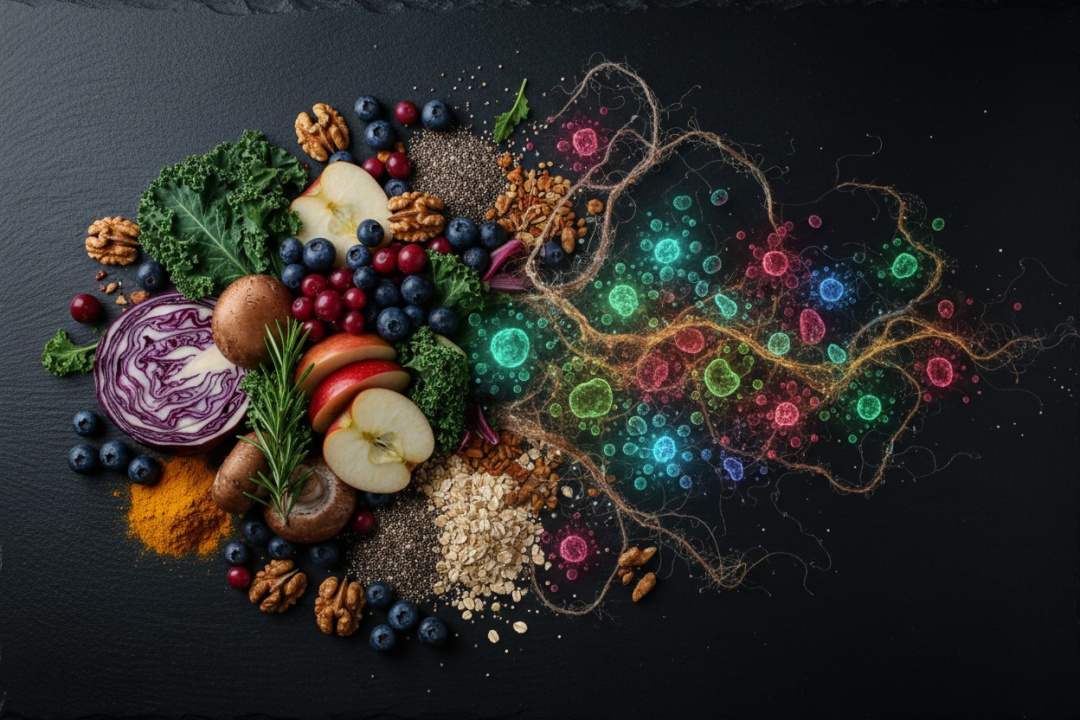
In a significant study published in the British Journal of Nutrition, researchers explored the effects of plant diversity on gut microbiome composition. The six-week randomized controlled trial involved 399 adults aged 35 to 65, all of whom were consuming less than 20 grams of fiber per day at the start of the study. Participants were divided into three groups: one received a whole-food plant blend that provided 30 grams of fiber daily from a variety of sources including fruits, vegetables, nuts, and whole grains; a second group took a probiotic capsule containing Lactobacillus rhamnosus; and the third group consumed bread croutons as a control. The study aimed to determine whether the diversity of plants in the diet, rather than just the quantity, could drive changes in the gut microbiome.
The baseline fiber intake of participants reflects a broader public health issue, as approximately 95% of Americans do not meet the recommended fiber intake. Gastroenterologist Lisa Ganjhu highlighted the importance of fiber, suggesting that a single apple can contain up to one hundred million bacteria, encouraging a focus on whole foods over supplements.
Throughout the trial, adherence rates were reported to be above 98% across all groups. Participants added the interventions to their existing meals without overhauling their diets. Researchers measured changes in gut microbiome composition and self-reported symptoms, including digestive health, energy levels, and happiness, before and after the six-week period.
The results indicated that participants in the plant blend group experienced a shift in 57 types of gut bacteria, compared to only 14 in the control group and 4 in the probiotic group. The beneficial bacteria that increased in the blend group are associated with favorable health outcomes, while those that decreased are linked to less favorable health. Participants consuming the plant blend reported fewer digestive symptoms such as indigestion and constipation, and noted higher energy and happiness levels compared to the control group, although these findings were not statistically significant.
The study also found no meaningful changes in blood markers for cholesterol, blood sugar, or inflammation, which researchers expected given that the participants were metabolically healthy at the outset.
The researchers acknowledged several limitations, including the short duration of the intervention and the fact that the blend was delivered as a powdered supplement, which may not reflect real-world dietary practices. Furthermore, the microbiome findings lacked statistical significance, suggesting that further research is needed to confirm these results.
The study emphasizes the importance of plant diversity in the diet, suggesting that a variety of plant foods can enhance gut health. Strategies for increasing plant diversity include thinking in terms of 'plant points' rather than servings and incorporating a range of seeds, herbs, and spices into meals. This approach aligns with broader research indicating that a diverse microbiome is more resilient and adaptable to changes. The findings of this study contribute to the growing body of evidence supporting the role of dietary diversity in promoting gut health.