Study Reveals Distinct Health Risks Associated with Different Alcohol Types

A large-scale study presented at the American College of Cardiology's Annual Scientific Session has revealed significant differences in health outcomes based on the type of alcohol consumed. Researchers tracked the drinking habits and mortality data of 340,924 adults in the UK Biobank study from 2006 to 2022. The findings indicate that while heavy alcohol consumption is consistently associated with poorer health outcomes, lower levels of drinking show a more nuanced relationship depending on whether individuals consume wine, beer, cider, or spirits.
The study categorized participants based on their alcohol intake, defining low consumption as less than 20 grams of pure alcohol per week, moderate consumption as 20 to 40 grams for men and 10 to 20 grams for women, and high consumption as more than 40 grams for men and 20 grams for women. Over the course of the study, participants' health outcomes were monitored for an average of over 13 years.
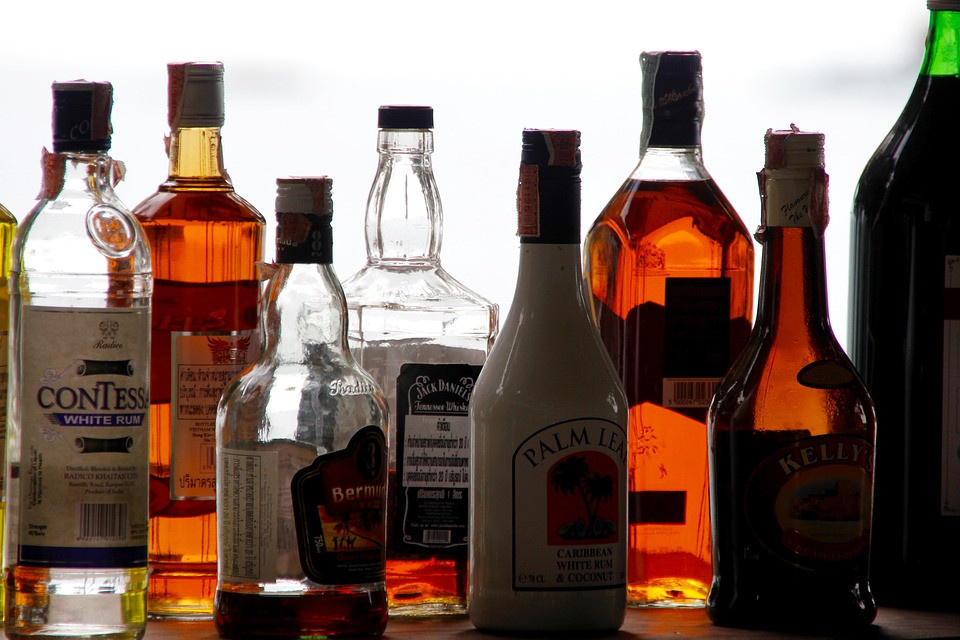
Results indicated that individuals in the high consumption group were 24% more likely to die from any cause compared to non-drinkers. This group also faced a 36% higher risk of death from cancer and a 14% higher risk from heart disease. However, at lower consumption levels, the type of alcohol played a crucial role. Spirits, beer, and cider were linked to a significantly higher risk of mortality, while moderate wine consumption was associated with a lower risk of death.
Specifically, moderate wine drinkers had a 21% lower risk of dying from cardiovascular disease compared to those who never drank. In contrast, even low levels of spirits, beer, or cider were associated with a 9% higher risk of cardiovascular death. These findings suggest that the health risks of alcohol are not solely dependent on the amount consumed but also on the type of beverage.
Several factors may explain why wine consumption appears to confer different health benefits. Red wine, in particular, contains beneficial compounds such as polyphenols and antioxidants, which may support cardiovascular health. Additionally, drinking habits associated with wine consumption, such as pairing it with meals, may correlate with healthier lifestyle choices overall. In contrast, spirits, beer, and cider are often consumed in less health-conscious contexts, potentially leading to poorer dietary habits.
Despite the study's observational nature, which limits the ability to establish causation, the large sample size and extended follow-up period provide substantial statistical power. The researchers emphasize the need for high-quality randomized trials to further clarify the health effects of different types of alcohol consumption. Overall, this study contributes to a more detailed understanding of how alcohol impacts health, highlighting the importance of considering both the quantity and type of alcohol in dietary assessments.