Cyclospora Outbreak Drives Increased Demand for Locally Grown Produce at Farmers Markets
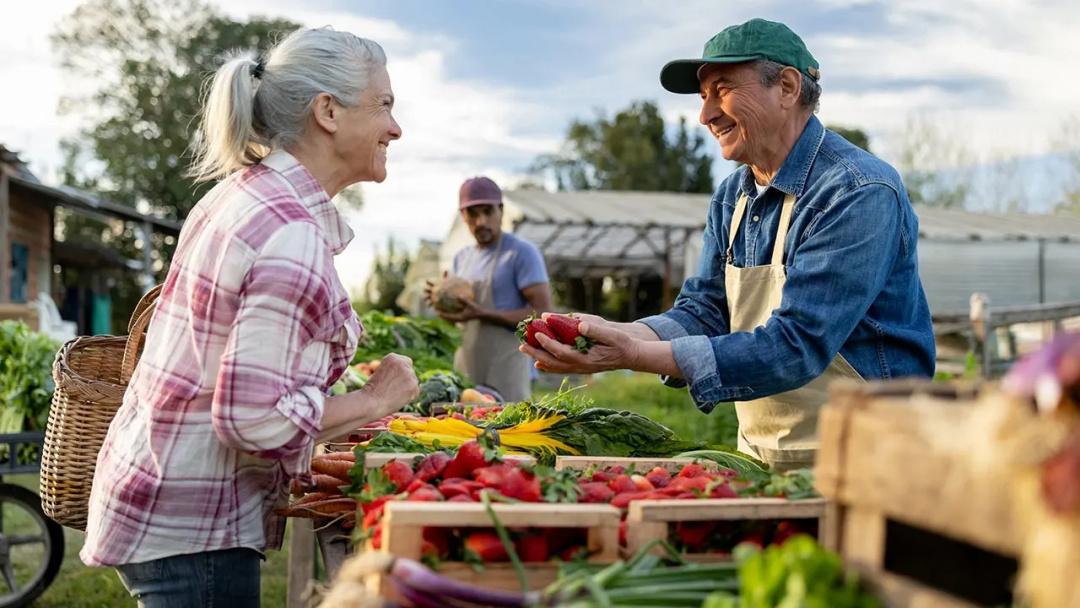
Concerns surrounding the ongoing Cyclospora outbreak are significantly altering consumer shopping habits, particularly in Ohio, where farmers markets are experiencing a notable increase in demand for locally grown produce. Reports indicate that vendors are selling out of homegrown greens, such as lettuce, within 30 to 60 minutes of opening, as shoppers seek alternatives to grocery store offerings. This shift comes amid rising anxiety regarding food safety linked to larger commercial suppliers.
The Cyclospora outbreak has prompted federal health officials to investigate its sources and effects, with the Centers for Disease Control and Prevention (CDC) advising consumers to wash their hands and thoroughly rinse fresh fruits and vegetables under running water before consumption. However, the CDC also notes that washing does not guarantee the elimination of Cyclospora, highlighting the ongoing risks associated with contaminated produce.
As grocery store sales of lettuce and visits to restaurants with produce-heavy menus decline, the interest in locally sourced greens reflects a growing trend among consumers who are becoming more mindful of their food sources. Despite the appeal of farmers markets, experts warn that locally grown produce is not completely free from contamination risks. The shorter supply chain may reduce the chances of Cyclospora exposure, but it does not eliminate the potential for local greens to carry the parasite.
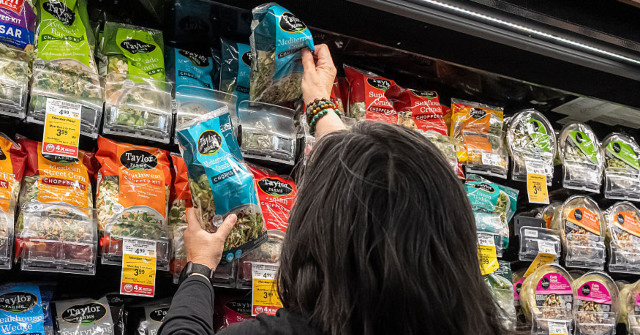
The outbreak has affected thousands across the country, with over 6,300 confirmed cases reported in 15 states, leading to 278 hospitalizations and two fatalities. In response, Taylor Farms de Mexico recalled all iceberg lettuce sourced from central Mexico after health officials linked it to the outbreak. This lettuce had reached consumers, restaurants, and retailers in at least 27 states, raising further concerns about the safety of produce in the market.
Consumer anxiety has also manifested online, with individuals expressing worries about their food choices and the incubation period of the parasite, which can lead to symptoms such as diarrhea, loss of appetite, and fatigue. As the investigation into the Cyclospora outbreak continues, the importance of food safety remains a pressing concern for both consumers and health officials alike.