The Rise of Private Body Scans: Benefits and Concerns in Health Diagnostics
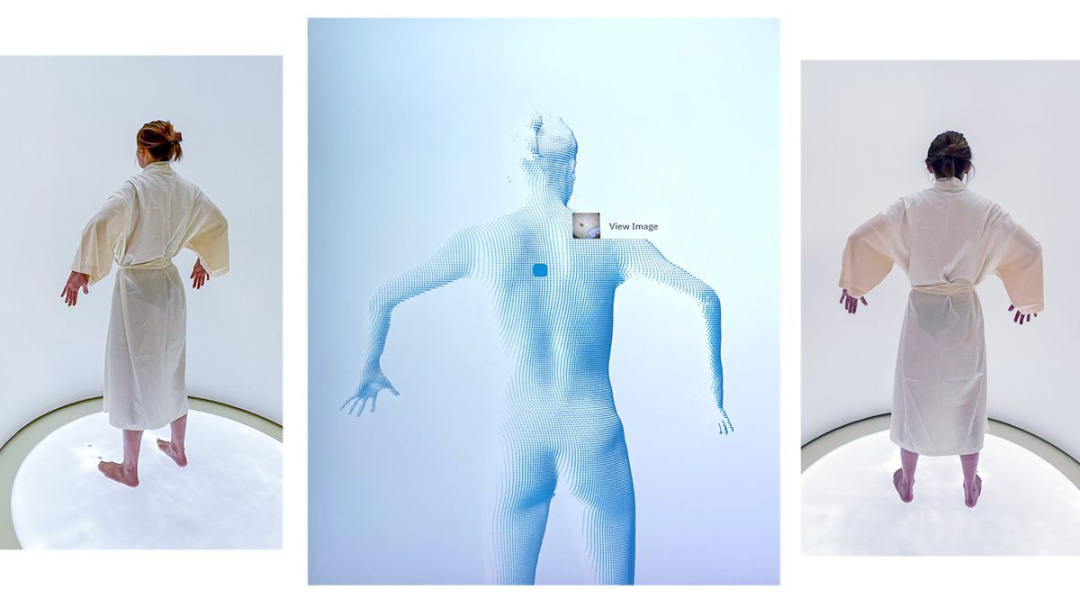
The private body scan industry is witnessing a remarkable surge, with many individuals willing to invest substantial amounts for comprehensive health assessments. This trend is exemplified by a recent experience at a clinic in Manchester, where a full-body scan involved the use of advanced technology to capture detailed images of the body. The aim is to identify potential health issues, including skin cancers and metabolic conditions, before symptoms manifest.
Companies like Neko Health, which offers a full-body scan for around £299, have seen a significant increase in demand, with waiting lists reportedly reaching 100,000. The scans promise to screen for a variety of conditions, including skin cancer, cardiovascular diseases, type 2 diabetes, and more. Advocates of this preventative approach, such as Neko Health co-founder Hjalmar Nilsonne, argue that early detection is crucial and that the healthcare system should evolve to prioritize prevention over treatment.
However, the rise of these scans has not been without controversy. Medical professionals, including those from NHS England, express concerns about the potential for over-diagnosis, which can lead to unnecessary investigations and heightened anxiety among patients. Critics argue that the results of private scans may not always correlate with improved health outcomes and could place additional strain on public healthcare systems.
Personal accounts from individuals who underwent these scans reveal mixed experiences. For instance, one woman, Annabel Mason-Thompson, reported that her scan failed to detect several cancerous lesions, which were only identified after she pointed them out to a doctor. In contrast, another individual, Mehvish, received a life-changing diagnosis of Latent Autoimmune Diabetes in Adults (LADA) after her scan revealed high blood sugar levels. This early intervention, she noted, significantly altered her health trajectory.
Despite the varying outcomes, the data from Neko Health indicates that a small percentage of scans have identified serious health conditions. However, this data is limited to those who can afford such services, raising questions about the broader applicability of these findings.
Experts like Prof Victoria Tzortziou Brown, president of the Royal College of GPs, emphasize the need for convincing evidence that private screening tests improve health outcomes. They caution that reliance on such scans could divert attention from established national screening programs that target specific health risks.
As the debate continues, the private body scan industry remains a focal point in discussions about the future of healthcare. While the potential for early detection is appealing, the implications for patient anxiety and the effectiveness of such screenings warrant careful consideration. As individuals navigate their health choices, understanding the benefits and limitations of these scans is essential in making informed decisions about their wellbeing.