Study Compares Weight Loss from Vegan Diet to Semaglutide Over 16 Weeks
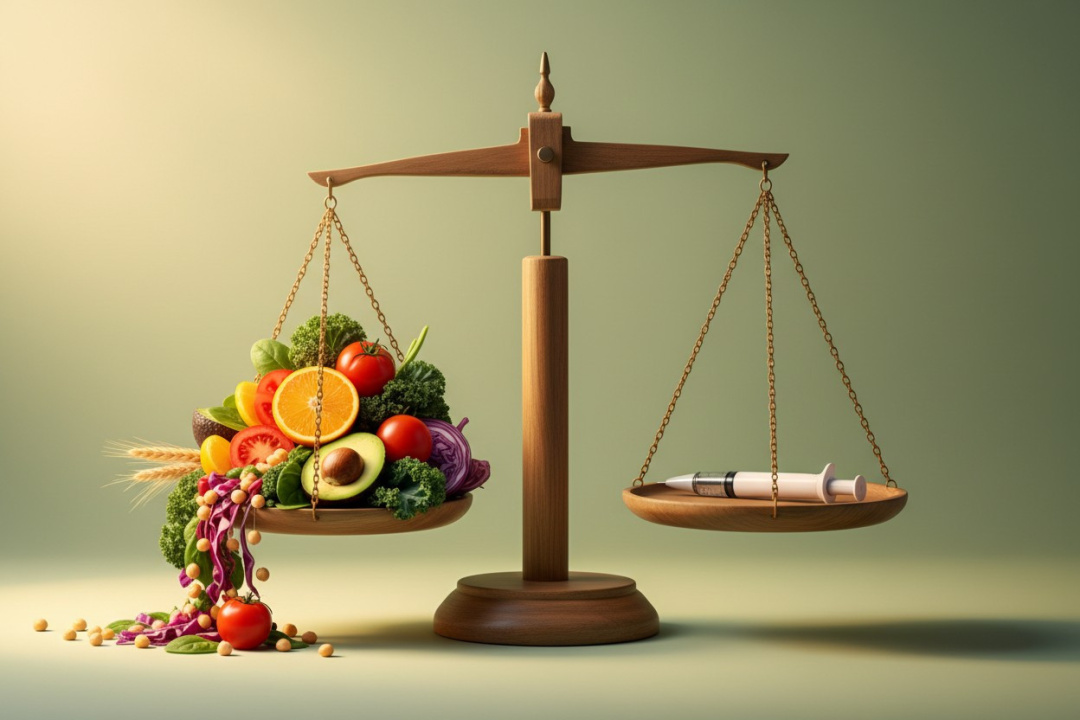
A clinical study published in JAMA Network Open has revealed that a low-fat vegan diet can produce weight loss results comparable to those achieved with the injectable medication semaglutide, which is commonly used for weight management. The study involved participants from various U.S. universities and was conducted over a 16-week period. Semaglutide, the active ingredient in weight-loss drugs such as Ozempic and Wegovy, has been shown in previous trials to result in an average weight loss of approximately 6.9 kilograms over nine months.
In this recent trial, participants were divided into two groups: one group adopted a low-fat vegan diet, while the other group maintained their usual eating habits. Those following the vegan diet were allowed unlimited consumption of fruits, vegetables, grains, and legumes, such as chickpeas and beans, but were instructed to avoid meat, fish, dairy products, and eggs.
After 16 weeks, the vegan group reported a significant decrease in average daily calorie intake, dropping from 1,834 to 1,343 calories, which represents a reduction of more than 25%. Additionally, the study noted an increase in average vegetable intake by about 150 grams per day, fruit intake by approximately 80 grams, and a nearly tripled consumption of legumes. The participants were not given a prescribed calorie limit, indicating that the dietary changes were made voluntarily.
The findings suggest that the vegan diet not only facilitates weight loss but may also enhance gut health and improve metabolic markers. Previous research has indicated that plant-based diets can positively affect gut microbes associated with body weight and blood sugar management. In this study, secondary findings included more stable blood sugar levels, reduced fat in the liver and muscles, and increased calorie burn during digestion for the vegan group.
The researchers posited that the dietary intervention could serve as an effective treatment for overweight adults. They highlighted that meat-heavy diets tend to be more energy-dense, while plant-based foods are generally lower in fat and higher in water and fiber, which can promote satiety and reduce overall energy intake without intentional calorie restriction.
However, the study does have limitations, including reliance on self-reported food consumption and the potential lack of generalizability to the wider population. Furthermore, while the vegan diet showed promising results, some health experts have cautioned that careful planning is necessary to avoid nutritional deficiencies, particularly in vitamin B12, which is primarily found in animal products. The National Health Service recommends that those following a vegan diet consider taking a daily vitamin B12 supplement.
Overall, the study's authors concluded that dietary composition plays a significant role in influencing energy intake and metabolism. With around 3.5 million individuals in the UK reportedly following a plant-based diet, these findings could have substantial implications for public health and dietary recommendations. The updated U.S. Dietary Guidelines for Americans, announced in January 2026, also emphasize the importance of consuming fruits, vegetables, and whole grains while minimizing highly processed foods.