Declining Vegetable Biodiversity Threatens Global Diets and Nutrition
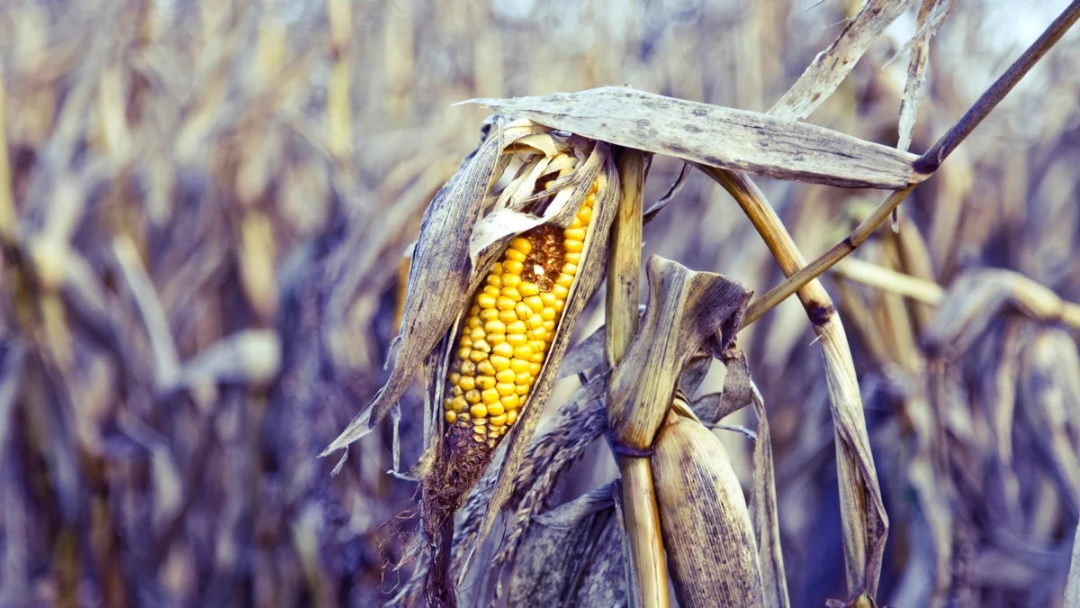
A new report published in the Proceedings of the National Academy of Sciences reveals a troubling trend: the world is not only consuming fewer vegetables but is also growing a diminishing variety of them. This decline in vegetable biodiversity poses significant risks to global health, as many people are consuming around 40 percent less vegetables than the recommended amounts for a healthy diet. This shortfall is linked to various health issues and is among the top five dietary risk factors contributing to the global burden of disease.
Led by agriculture scientist Maarten van Zonneveld from the World Vegetable Center, the research team argues that simply increasing the quantity of vegetables grown is insufficient. They advocate for a focus on the diversity of vegetables cultivated, noting that many traditional varieties and their wild relatives, which are often richer in nutrients and better suited to local growing conditions, are being overlooked. The urgency to conserve these varieties is emphasized, particularly in the context of climate change.
Historically, agricultural practices have favored a limited number of vegetable species, leading to a significant loss of biodiversity. For instance, while there are over 4,000 potato varieties worldwide, only a handful are commonly used in the United States. This trend has been exacerbated by industrial agriculture practices, which prioritize monocultures and mass production, often at the expense of nutritional diversity.
The United Nations' Food and Agriculture Organization (FAO) estimates that 24 percent of assessed wild relatives of vegetables are at risk of extinction. The loss of genetic diversity not only reduces the nutritional quality of our food but also limits the ability of crops to adapt to changing environmental conditions. The report highlights several underutilized vegetables, such as spider plant, slippery cabbage, and bitter gourd, which are nutrient-dense and resilient to climate challenges. These vegetables are often neglected in large-scale food policies, despite their potential to enhance nutrition, particularly for vulnerable populations.
The researchers suggest that diversifying food crops is crucial for improving diets on both local and global scales. They propose that initiatives aimed at promoting local and regional vegetable varieties could lead to significant improvements in dietary health. Simple actions, such as growing heirloom varieties in home gardens or shopping at farmers' markets, can contribute to preserving biodiversity and enhancing personal diets. The study concludes with a call to action, urging both individuals and policymakers to prioritize vegetable diversity to combat the ongoing loss of biodiversity and its implications for nutrition.