Ghana's Cashew Apples: Transforming Waste into Economic Opportunity
In Ghana's cashew-growing regions, the harvest season often reveals a significant issue: while farmers diligently collect cashew nuts, the fleshy cashew apples attached to them are frequently left to rot. This waste represents a missed opportunity for economic growth, as Ghana is a leading producer of cashew nuts, with annual harvests reaching approximately a quarter of a million tonnes. Unfortunately, the vast majority of cashew apples remain unprocessed and unsold, primarily due to a lack of buyers and the challenges of transporting the fruit before it spoils.
Researchers, farmers, and industry leaders are now advocating for a shift in perspective regarding these discarded fruits. They believe that with the right systems in place for collection, processing, and marketing, cashew apples could become a new source of income for rural communities. Francisca Aba Ansah, a food post-harvest scientist and project lead for the MA-CASH initiative, emphasizes the need to maximize gains from cashew production, particularly for youth development. The project aims to address the high levels of waste in cashew-growing areas and explore processing options.
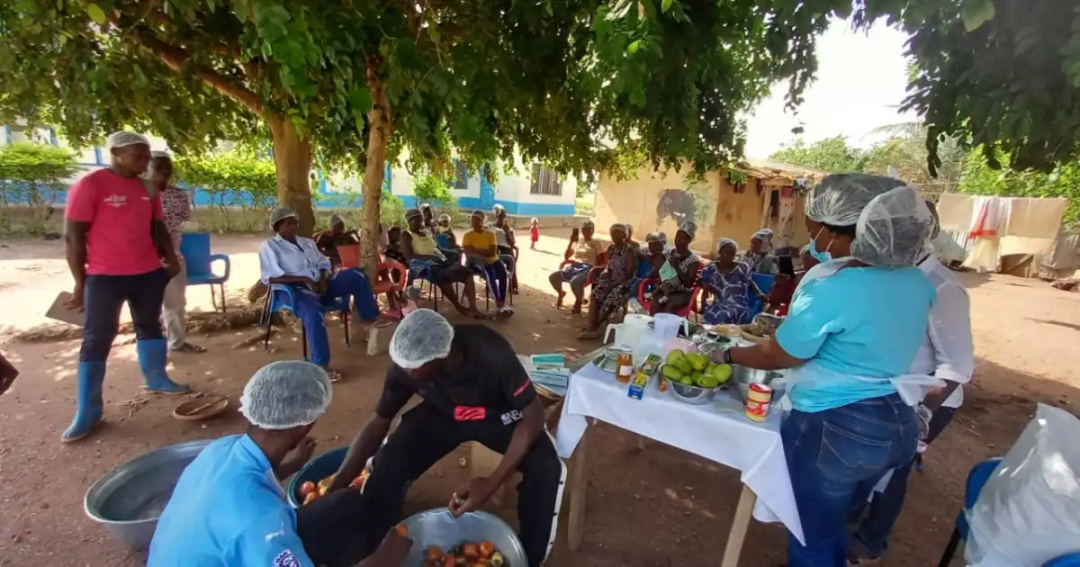
Through collaboration with farming communities, innovative products such as juice, juice blends, sausages, and bagels made from cashew apples have been developed. However, the fruit's high tannin content poses a challenge for taste and consumer acceptance, necessitating extensive research to reduce its anti-nutritional effects. Moreover, the short shelf life of fresh cashew apples, which can spoil within 24 hours of harvest, complicates transportation to processing centers. To combat this, new preservation technologies have been introduced, allowing farmers to extend the fruit's viability for up to six days before processing.
The MA-CASH project also explores off-season income opportunities, such as beekeeping under cashew trees, providing farmers with additional revenue streams. Samuel Nortey Adumoah, a farmer, has already begun experimenting with cashew apples to create traditional beverages like pito and wine, recognizing the strong market potential for these products.
Despite the promise of creating value from cashew apples, significant challenges remain. Farmers often rely on advance financing from foreign buyers, which can limit their ability to explore new markets for processed products. Raphael Godlove Ahenu, National Coordinator of Cashew Watch Ghana, highlights the importance of educating farmers on the economic possibilities beyond just selling nuts.
Financial experts suggest that establishing local processing facilities for cashew apples could enhance farmers' access to credit and create additional revenue streams. Aaron Owusu Nketia, a financial adviser, notes that successful processing could improve farmers' confidence and encourage banks to offer more loans.
However, creating a thriving industry requires more than just product development. Cashew apple products must compete with established beverages and convince consumers of their value. Community support activist Robert Abongo stresses the need for increased awareness and education among farmers about the potential of cashew apples.
The Ghanaian government views the processing of cashew apples as a critical component of the country's agricultural transformation agenda. Andrews Osei Okrah, CEO of the Tree Crops Development Authority, emphasizes that the fruit is being recognized as a strategic economic resource with the potential to drive agro-industrialization and improve rural livelihoods.
As Ghana looks to diversify its agricultural income, the question remains: will the cashew apples, often left beneath the trees during harvest, be collected, processed, and sold as a valuable crop, or will they continue to spoil? The future of this initiative depends on coordinated action, sustained investment, and the commitment to build a functional value chain from farm to factory to consumer.