Michigan Adopts Pass-Fail Grading for 2027 Freshmen to Support Mental Health
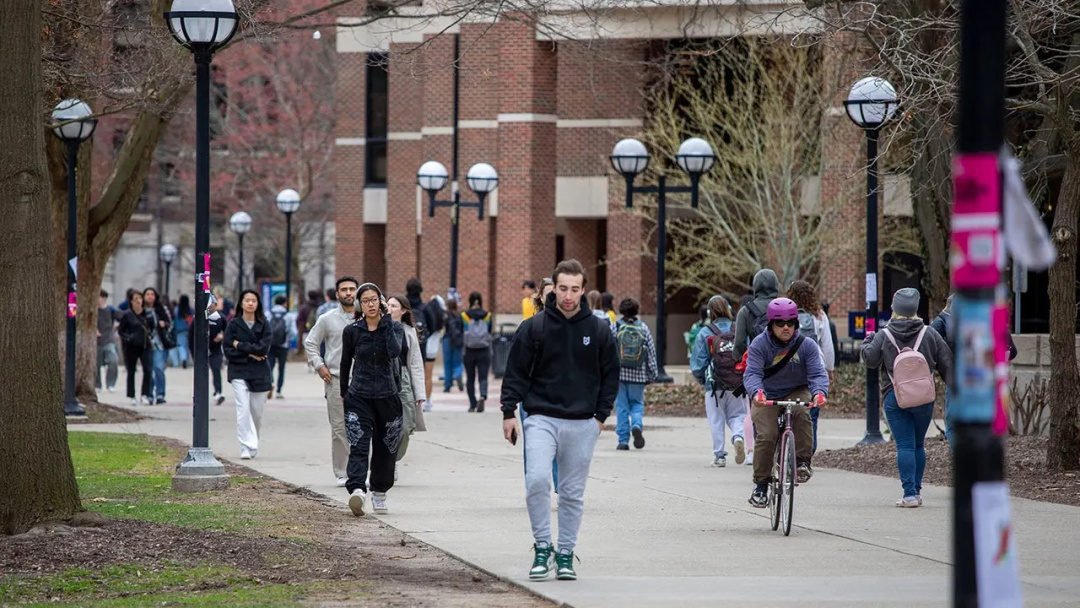
In a significant shift aimed at addressing the mental health crisis affecting college students, the University of Michigan will implement a pass-fail grading system for its incoming freshmen in the College of Literature, Science, and the Arts (LSA) starting in fall 2027. This policy allows first-year students to have their first-semester grades recorded as either 'P' for pass or 'NC' for no credit, rather than traditional letter grades, which will not appear on their transcripts. The university's decision is rooted in the desire to help students adjust to the demands of college life without the added pressure of letter grades that could impact their mental health.
The initiative is designed to foster an environment where students can explore various academic interests without the fear of receiving low grades that could affect their overall GPA. According to the university, this approach aims to encourage intrinsic motivation and support students' personal academic journeys, which are essential components of a liberal arts education. The LSA serves approximately 19,700 undergraduate students, making it the largest college within the university.
While the university will maintain internal records of students' letter grades for administrative purposes, including academic advising and eligibility for scholarships, the public-facing transcripts will reflect only the pass or no credit designation. This policy is intended to create a culture of collaboration rather than competition, allowing students to take risks in their learning without the fear of long-term academic consequences.
However, the policy has sparked debate among mental health professionals. Psychotherapist Jonathan Alpert has expressed concerns that this approach may inadvertently send the message that discomfort and failure are to be avoided at all costs. He argues that experiencing setbacks, such as receiving a bad grade, is a normal part of the college experience and can serve as a valuable learning opportunity. Alpert warns that by shielding students from these experiences, the university may be undermining their resilience and preparedness for future challenges.
The University of Michigan joins a small but growing number of institutions, including the Massachusetts Institute of Technology and Swarthmore College, that have adopted similar grading policies in response to increasing mental health concerns among students. As the conversation around mental health in education continues, the effectiveness and long-term implications of such policies remain to be seen. The university's commitment to student well-being is clear, but the balance between support and real-world readiness is a complex issue that warrants careful consideration.