Fathers' Diets: How Ultra-Processed Foods May Affect Unborn Babies
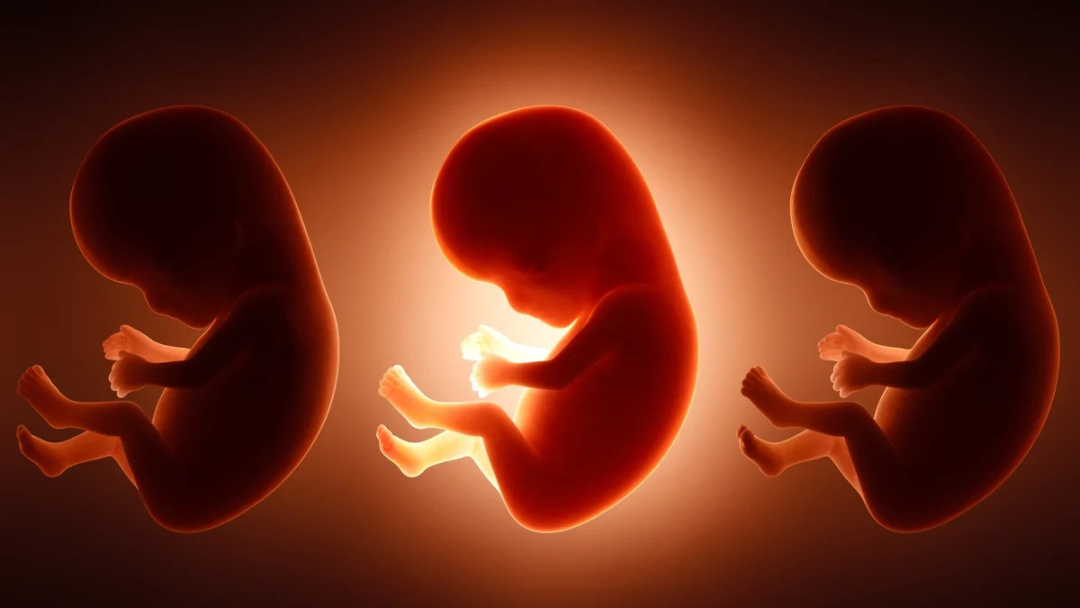
Recent research published in Nutrition Research indicates that a father's diet, particularly the consumption of ultra-processed foods, may significantly impact the body composition of their unborn children. The study, conducted by a team from the University of São Paulo in Brazil, analyzed 43 family units, which included mothers, fathers, and their newborns. The researchers initially recruited pregnant women and later invited their partners to participate in the study. Parents were interviewed about their food and drink intake over the previous 24 hours, allowing researchers to calculate the proportion of energy derived from ultra-processed foods.
Once the babies were born, comprehensive measurements were taken, including birth weight, length, body circumference, and skin-fold thickness. The analysis revealed that higher intake of ultra-processed foods by fathers was associated with increased birth weight, greater weight relative to height, and thicker skin-folds in infants. While the study did not find an increase in total body fat, it suggested that the quality of the father's diet could influence fetal development.
Nutritional epidemiologist Daniela Sartorelli emphasized the importance of considering paternal nutrition, stating, "Maternal nutrition and health before, during, and after the baby's birth have always received attention, but little is said about the role of the father's diet. Our study shows that it also matters a great deal for the baby's health."
The findings are particularly noteworthy given that ultra-processed foods accounted for about 30 percent of the total energy consumed by the fathers in the study, with common items including processed meats, sugary drinks, and cookies. However, it is crucial to note that the study only establishes a correlation and does not prove causation between fathers' diets and infant body composition.
The researchers pointed out that paternal nutrition could lead to epigenetic changes in sperm, potentially affecting offspring development. They noted that diets high in ultra-processed foods can create a pro-inflammatory environment, which may alter sperm quality and gene expression. One specific gene of interest is IGF-II, which is involved in fetal growth and can be biochemically modified by a father's dietary habits.
While the study opens the door for further research into the epigenetic implications of paternal diet on infant health, it also serves as a reminder for prospective parents to consider their nutritional choices. Sartorelli concluded, "The quality of the father's diet before conception has a significant impact on the baby's health. The results pave the way for larger studies and reinforce the need to include men, not just women, in family planning guidance."